
Sukkur is a river city.
If you want to understand it properly, you must begin with the Indus. The river does not pass quietly here. It divides, narrows, bends, and reshapes land around Sukkur. The city stands on its banks as both witness and engineer.
This Sukkur Pakistan travel guide is not about grand monuments in isolation. It is about river movement, colonial bridges, irrigation systems, and island shrines that sit in the middle of flowing water.
Sukkur has always mattered because the river mattered.
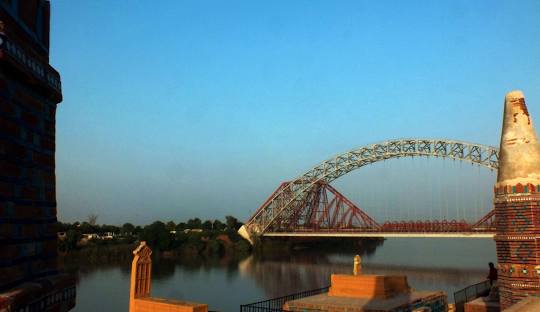
Sukkur lies on the west bank of the Indus River in Upper Sindh. The river narrows here before widening again downstream. This natural constriction made it strategically important for crossing and later for irrigation engineering.
The surrounding belt is agricultural, supported by canal systems fed through the Sukkur Barrage. The river here is not symbolic. It determines crop cycles, trade movement, and settlement patterns.
Across the river sits Rohri, historically connected through bridges and shared markets.
Sukkur is not separate from the Indus. It is structured around it.
For centuries, Sukkur and Rohri functioned as river crossing points. Movement across the Indus shaped trade routes in northern Sindh.
The British period introduced major infrastructural transformation. The Lansdowne Bridge, completed in 1889, was once considered an engineering achievement of its time. It connected Sukkur and Rohri without piers in the main channel, reflecting advanced steel bridge design.
Later, the Sukkur Barrage, completed in 1932, became one of the largest irrigation works in the world at that time. It distributes water into multiple canals, irrigating vast areas of Sindh’s agricultural land.
The barrage did not just change Sukkur. It changed Sindh’s farming system.
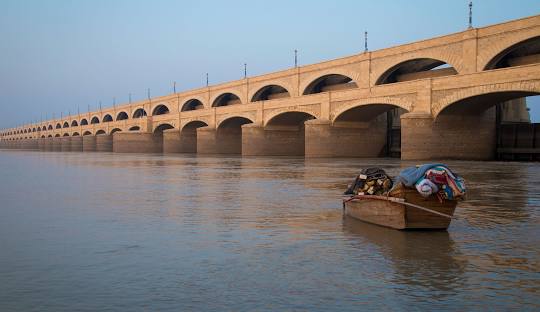
The Sukkur Barrage is not simply a viewpoint. It is a functioning irrigation structure spanning the Indus. Walking along the barrage offers views of controlled water flow and canal distribution gates.
It is one of the defining places to visit in Sukkur because it explains how water shapes the province.
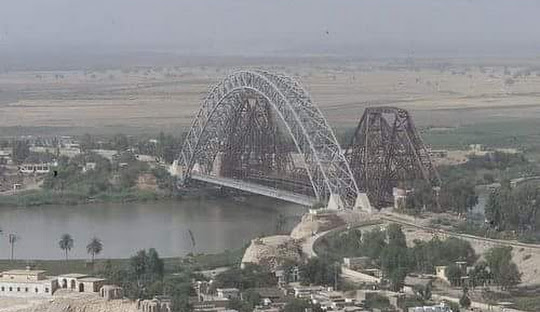
Located near the barrage, the Lansdowne Bridge remains a landmark of colonial engineering. Its steel structure frames the river dramatically, especially at sunset.
Situated on an island in the Indus, Sadhu Bela is a Hindu temple complex accessible by boat. It reflects Sukkur’s plural religious history and river-based spiritual geography.
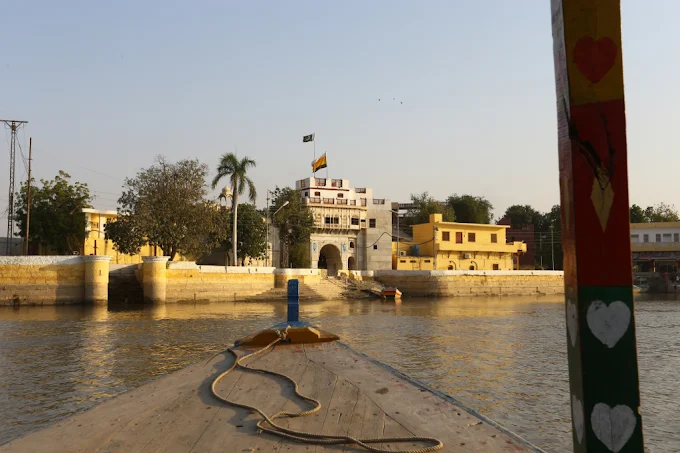
Sukkur’s riverbanks offer informal walking areas where locals gather in the evening. Central markets reflect Upper Sindh’s trade patterns with grain, textiles, and everyday goods.
The experience here is slower than Karachi and more river-centered than Larkana.
Sukkur functions as a base for:
Natural internal linking:
Link Kot Diji Fort and Khairpur to their respective destination blogs.
Distance and Travel Time Table (Driving)
From City | Approx. Distance | Route | Approx. Travel Time |
Karachi | ~470 km | N-5 National Highway | 7–8 hrs |
Hyderabad | ~328 km | N-5 via Moro | 5–6 hrs |
Larkana | ~85 km | Regional Highway | 1–1.5 hrs |
Khairpur | ~30 km | Local road link | 30–40 min |
Sukkur also has a domestic airport with limited connections, making road travel the primary access route.
Sukkur has a hot semi-arid climate.
Winter is ideal for exploring riverfront and barrage areas.
Sukkur’s food reflects Upper Sindh’s agricultural backbone and river proximity.
This is not experimental cuisine. It is practical, seasonal, and shaped by canal-fed farming.
Unlike Karachi’s layered migration cuisine, Sukkur’s meals are grounded in local produce and river influence.
You will commonly encounter:
Meals here are filling and built around routine rather than presentation.
Because Sukkur sits on the Indus, freshwater fish occasionally appear in local kitchens. Fish curry or fried fish is more common in households than in polished restaurants.
The river is part of the supply chain, not a tourist theme.
The surrounding region produces:
Fruit carts and small vendors are common in central markets. Dates especially hold cultural and economic value in Upper Sindh.
Dry fruits are widely available in bazaars due to Sukkur’s position as a trade corridor between northern Sindh and interior regions.
If you want authenticity, follow where locals eat after sunset.
Sukkur’s culture is shaped by three forces:
It feels grounded rather than urbanized.
The Indus is not background scenery here. It structures daily life.
Boats still cross between Sukkur and Rohri. Fishermen work along the banks. Families gather near the river in the evenings.
The river defines the city’s pace.
Sindhi is the dominant language of daily interaction, with Urdu widely understood.
Speech patterns in Sukkur feel rooted and direct. Conversations are often practical, tied to trade, crops, river conditions, or politics.
The presence of Sadhu Bela Sukkur reflects a longstanding Hindu heritage in the region.
Mosques, shrines, and temples coexist in the broader Sukkur-Rohri belt. Religious observances such as Eid are widely celebrated, while temple festivals draw community participation from specific groups.
This plural structure is quiet but visible.
Traditional Sindhi dress remains visible:
Unlike larger metropolitan cities, traditional clothing here feels routine rather than symbolic.
Evenings in Sukkur often revolve around:
Social life is slower and more localized compared to Karachi.
Sukkur’s culture is not performative. It is habitual.
The Indus around Sukkur supports freshwater ecosystems and birdlife.
Wildlife and Ecology Table
Species / Habitat | Where Observed | Season | Notes |
Freshwater fish species | Indus River belt | Year-round | Supports local fishing activity |
River birds (egrets, herons) | Riverbanks | Year-round | Common sightings |
Migratory waterfowl | Indus wetlands | Winter | Seasonal arrivals |
Riparian vegetation | Canal edges | Year-round | Supports agricultural ecosystem |
Sukkur is not a wildlife safari destination, but river ecology shapes its natural identity.
This section turns Sukkur into an experience, not just a set of bridges.
Walk across the Sukkur Barrage and observe water control gates.
Stand near Lansdowne Bridge and view the river channel narrowing beneath.
Visit both in one session to understand how engineering reshaped the Indus.
Capture sunrise along the Indus River.
Photograph Lansdowne Bridge at golden hour.
Use Sadhu Bela island as a mid-river composition subject.
Take a boat to Sadhu Bela and experience a river-based sacred space.
Observe the coexistence of religious traditions in the city.
Walk through central Sukkur markets in the evening.
Try a simple Sindhi meal rather than looking for high-end dining.
Stop at tea stalls along riverfront areas.
Combine Sukkur with:
Plan early departures during summer months.
Sukkur is not loud.
It does not compete for attention.
It stands beside the Indus and manages its flow.
If you want things to do in Sukkur Sindh, begin with the river. Everything else follows from it.