
Taxila is one of the most important archaeological landscapes in Pakistan and a key site of the ancient Gandhara civilization. Located northwest of Rawalpindi, it served for centuries as a center of learning, trade, and religious exchange.
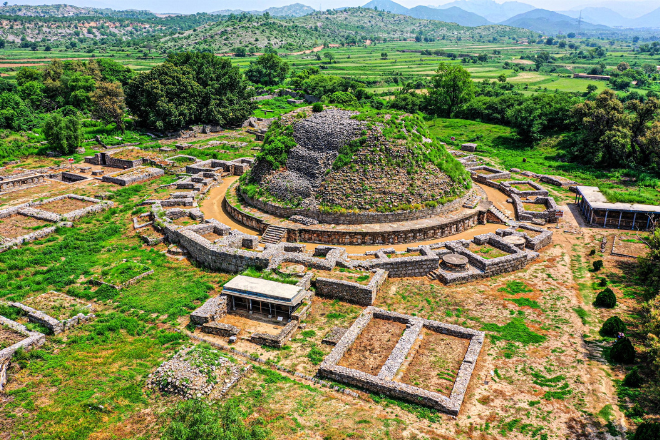
Taxila is not a single ruin or monument. It is a vast archaeological zone comprising multiple ancient cities, monasteries, stupas, and educational centers spread across the valley. These sites represent different periods, from early urban settlements to the height of Buddhist influence under the Mauryan and Kushan rulers.
Today, Taxila is recognized as a UNESCO World Heritage Site, valued for the depth and continuity of its remains rather than visual grandeur alone.
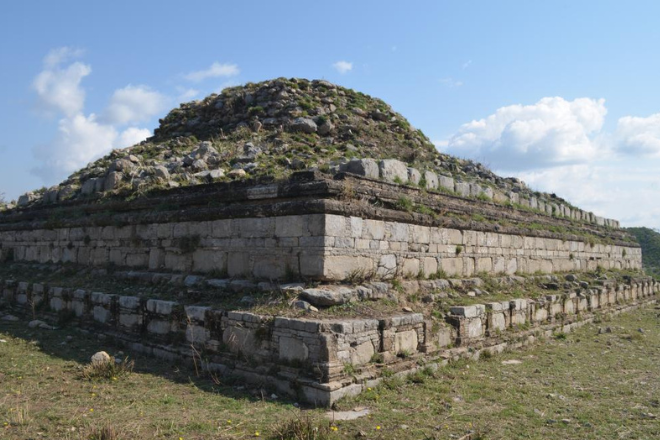
Taxila remained an active center of civilization for many centuries. Historical sources and archaeological evidence describe it as a place where philosophy, religion, medicine, and crafts were taught alongside religious practice.
During the Buddhist period, especially under the Mauryan and Kushan empires, Taxila flourished as a hub of monastic education and artistic production. Sculptors and artisans here contributed to what later became known as Gandhara art, blending local traditions with influences from Central Asia and the Mediterranean world.
The decline of Taxila came gradually due to invasions, changing trade routes, and political shifts. What remains today is a layered record of these transitions preserved in stone, brick, clay, and earth.
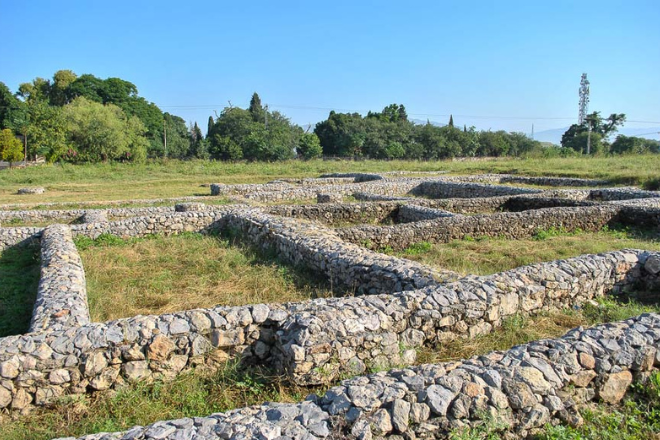
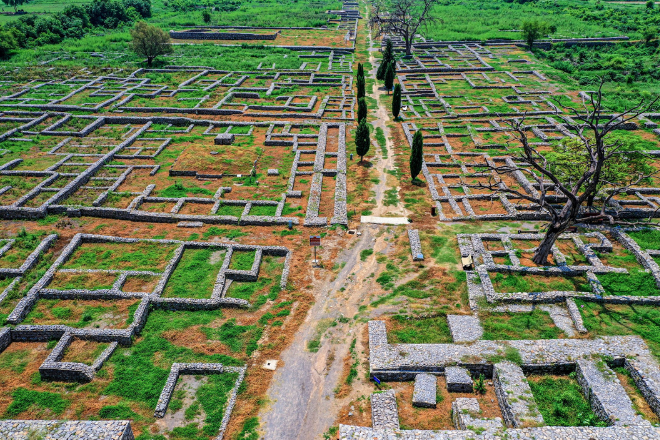
Taxila includes the remains of several ancient cities and settlements, each representing a different era. Walking through these sites allows visitors to see urban planning, street layouts, and residential foundations from centuries ago.
The region contains major Buddhist monuments, such as the Dharmarajika Stupa, which many scholars believe served as a relic shrine. Surrounding monasteries show how religious life was organized around learning and daily routine.
The museum displays sculptures, inscriptions, coins, pottery fragments, and everyday objects recovered from excavations across the Taxila region. These artifacts help visitors understand how people lived, worked, and practiced religion.
Taxila’s material culture has always been closely tied to clay, stone, and earth. Archaeological excavations across the region have revealed terracotta vessels, ceramic fragments, sculpted panels, and molded decorative elements that formed part of daily and religious life.
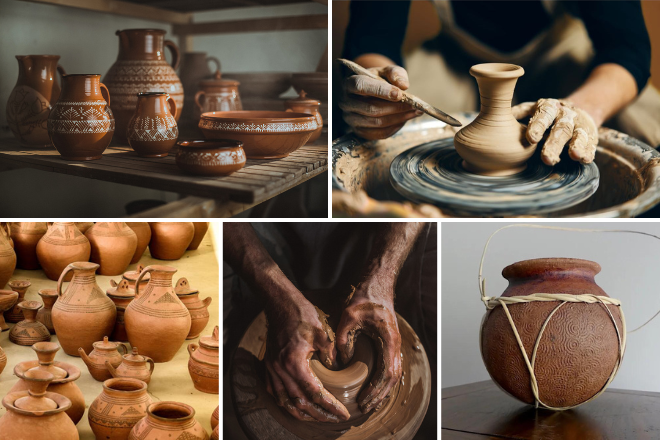
This tradition has not disappeared entirely. Along the roads leading to Taxila and nearby settlements, visitors often see small roadside stalls selling stone-carved decorative pieces, pottery, and craft objects inspired by traditional forms. These are not formal heritage shops but rather local, informal displays that reflect skills passed down through generations.
While modern items are produced for everyday buyers, the techniques and materials echo the same relationship with clay and stone that shaped Taxila’s ancient artistic output. For many visitors, this living craft presence adds an unexpected human layer to an otherwise archaeological visit.
Access point: Rawalpindi
Taxila is accessible by road via the Grand Trunk Road. Visiting multiple sites usually requires at least half a day.
Most archaeological sites and the museum are ticketed. Tickets are issued by the relevant archaeology authorities. Timings and ticket categories may vary seasonally.
Best time to visit: October to March
Open ruins offer limited shade, so cooler months are more comfortable. Summer visits are best planned early in the day.
Taxila is a protected heritage landscape. Visitors should stay on marked paths, avoid touching carvings, and respect site boundaries. Preservation depends heavily on responsible visitor behavior. It is one of the major hubs of Buddhist archaeological sites in South Asia, and the most significant Buddhist archaeological landscape in present-day Pakistan.