
Mohra Moradu is a small but deeply atmospheric Buddhist monastery site located near Taxila. Unlike large stupas or expansive ruins, this site feels intimate. It does not overwhelm visitors with scale. Instead, it invites them to slow down and observe.
The site consists of a central stupa surrounded by the remains of monks’ cells, meditation spaces, and small courtyards. Everything here feels measured, purposeful, and quiet. Even today, the layout suggests daily routines built around study, meditation, and simple living.
Mohra Moradu is often visited as part of a broader Taxila circuit, but it stands apart for its sense of calm and enclosure.
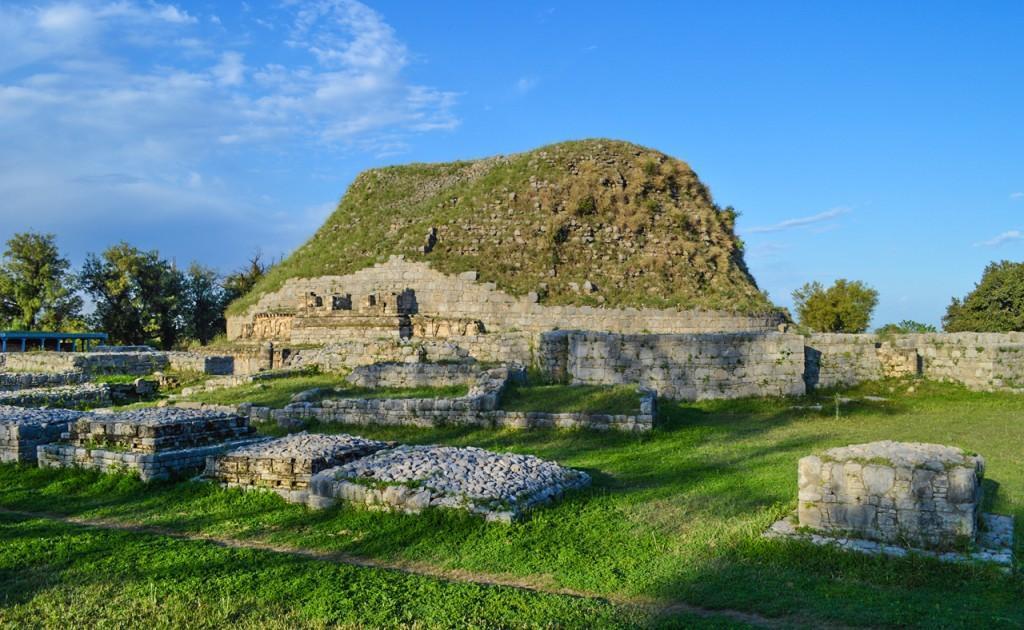
Mohra Moradu dates back to the Gandhara Buddhist period, when Taxila functioned as a major center of learning and monastic life. The monastery was likely occupied by Buddhist monks who lived, studied, and practiced here while being connected to larger religious centers in the region.
Unlike monumental stupas intended for large gatherings, Mohra Moradu appears to have been designed for residential and instructional use. The presence of monks’ cells arranged around courtyards reflects a structured daily life focused on discipline and reflection.
The site also shows traces of the Gandhara architectural style, using stone and brick in simple, functional forms rather than decorative excess.
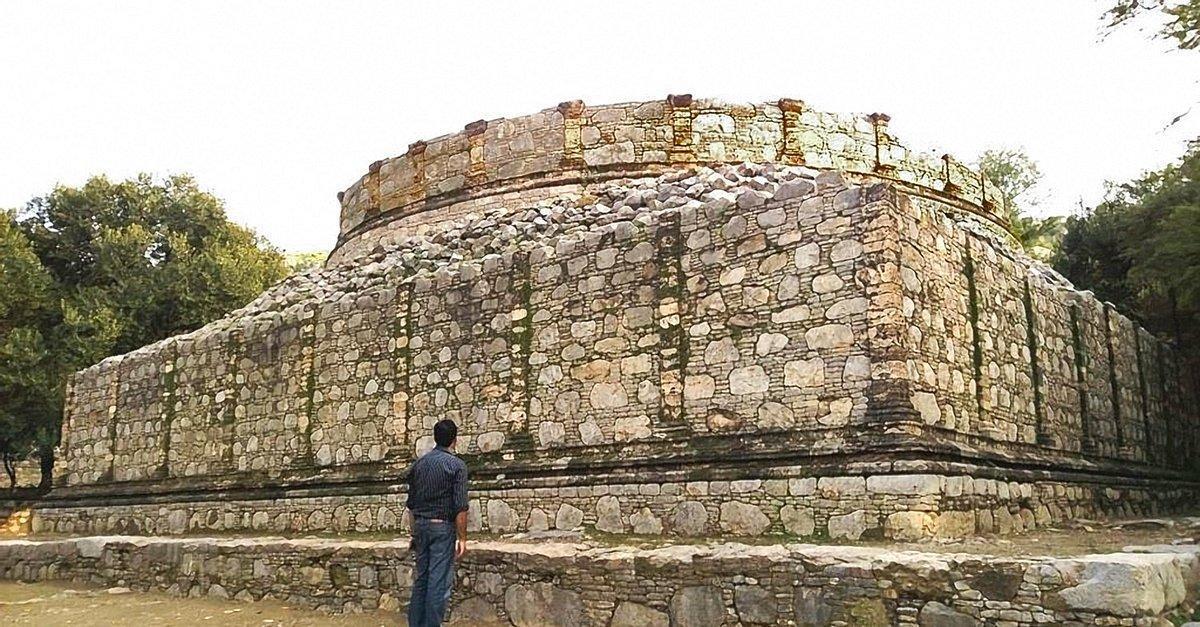
At the heart of the site stands a modest stupa, once used as a focal point for worship and ritual. Though time has worn its surface, the structure still anchors the entire complex.
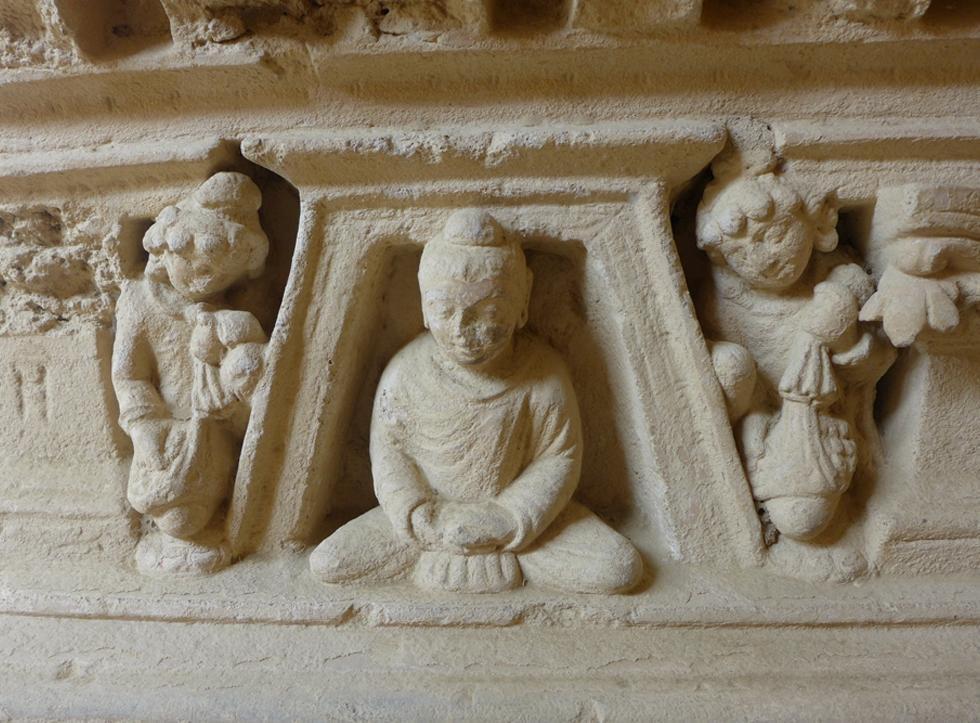
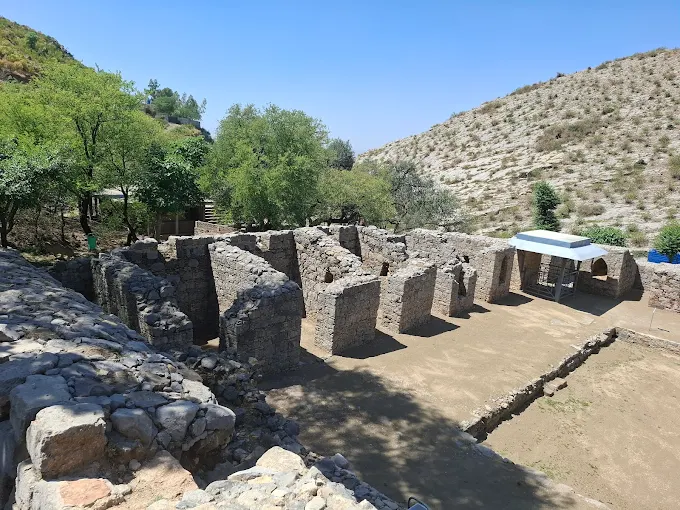
Surrounding the stupa are the remains of small cells where monks lived. These spaces are simple and repetitive, suggesting equality and discipline rather than hierarchy.
Walking through them gives visitors a sense of how closely daily life was tied to spiritual practice.
The layout of Mohra Moradu encourages inward movement. Narrow paths connect cells to courtyards and the stupa, reinforcing a rhythm of movement between private reflection and communal ritual.
The site is reached by a short drive from the main Taxila area, followed by a brief walk.
Mohra Moradu is generally ticketed under the Taxila archaeological sites system. Visitors often use the same ticket as other nearby sites. Local arrangements may vary.
Best time to visit: October to March
The site is open and exposed, with limited shade. Early-morning visits are recommended, especially in the warmer months.
Mohra Moradu does not demand attention. It waits. Standing inside its courtyards, it becomes easy to imagine the sounds that once filled this space: footsteps on stone, low chanting, the quiet repetition of daily practice.
For many visitors, this site becomes less about history and more about presence. It is one of the few places around Taxila where silence feels intentional rather than accidental.