
Dharmarajika Stupa is one of the oldest and most important Buddhist monuments in the Taxila region. It stands as a reminder of a time when Taxila was not only a center of learning but also a place of deep religious devotion.
Unlike monasteries built for daily living, Dharmarajika was created as a sacred focal point. Pilgrims once arrived here to walk around the stupa, offer prayers, and connect with teachings that emphasized impermanence and discipline.
Even in its ruined state, the stupa commands attention. Its circular base, surrounding chapels, and scattered remains create a space that feels ceremonial rather than residential.
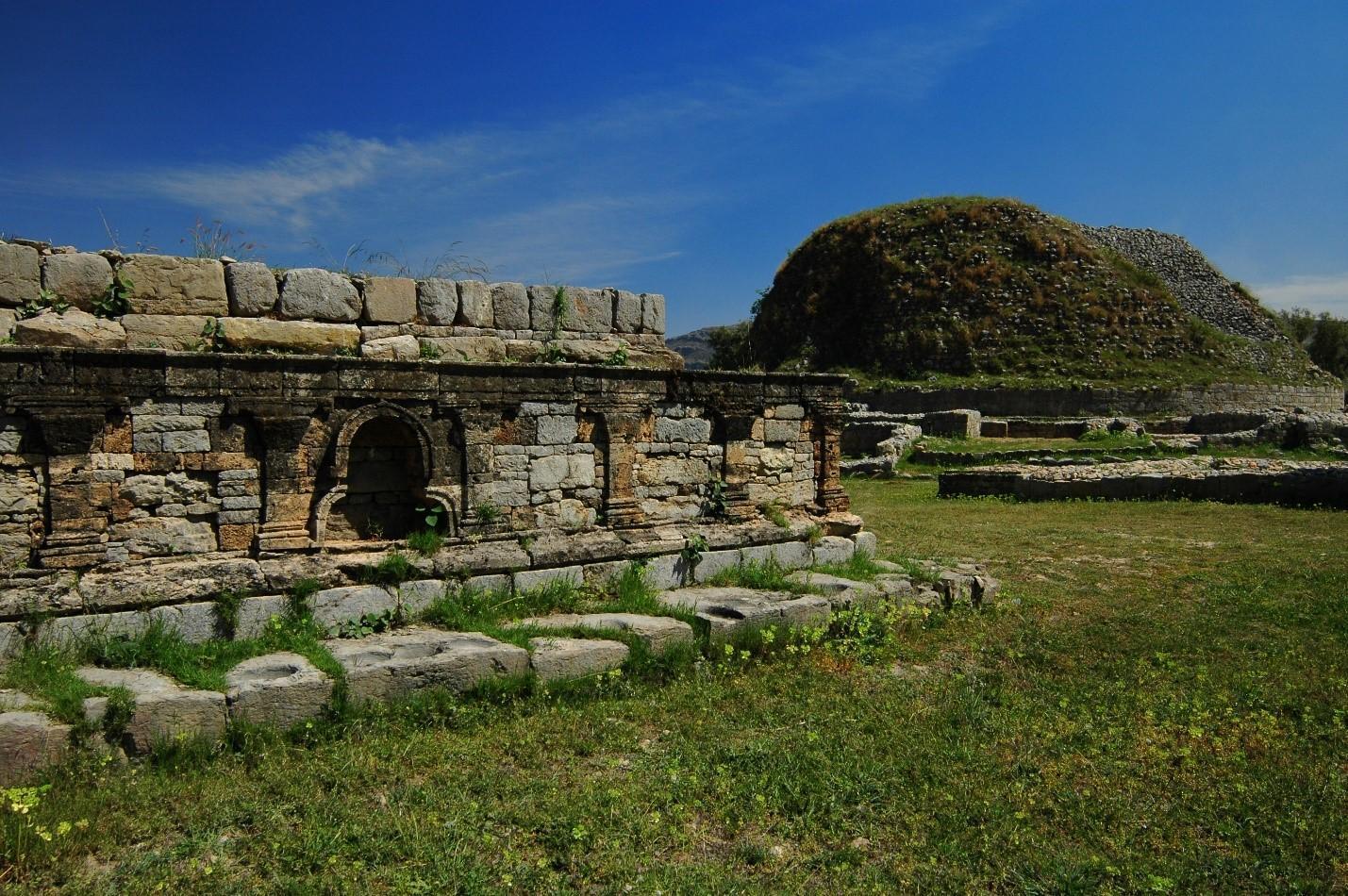
Dharmarajika Stupa is traditionally associated with the Mauryan period and is believed to have been established during the reign of Emperor Ashoka. According to Buddhist tradition, the stupa originally housed the Buddha’s relics, making it a site of exceptional religious importance.
Over time, the stupa complex expanded. Smaller stupas, votive chapels, and monastic structures were added around the central monument. This pattern reflects how Buddhist sacred spaces evolved, growing organically as devotion increased.
The site remained active for centuries, supported by monks and pilgrims moving through the Gandhara region. Its decline came gradually as political and religious shifts altered Buddhism’s role in the area.
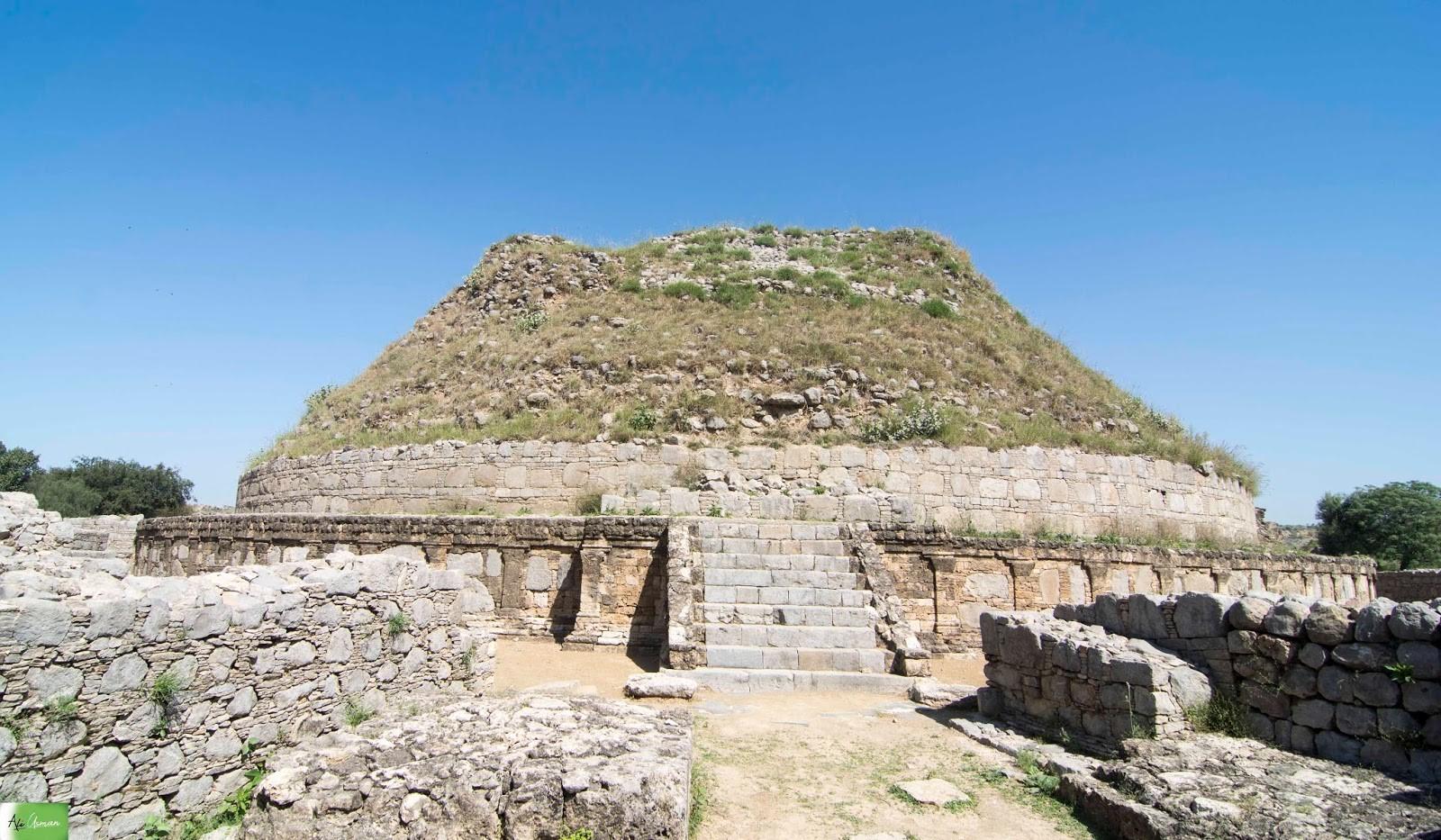
The remains of the main stupa form a raised circular platform. Walking around it follows the traditional ritual of circumambulation, a practice still central to Buddhist worship today.
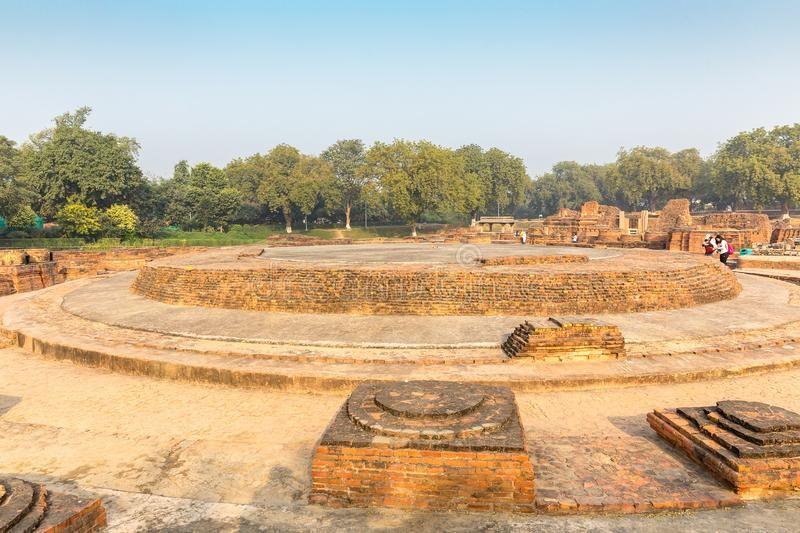
Around the main stupa are the foundations of smaller chapels and votive stupas. These were likely sponsored by individual devotees, reflecting personal acts of faith rather than institutional construction.
The site layout reveals how sacred movement was controlled. Paths guide visitors around the stupa, reinforcing the ritual flow rather than casual wandering.
Access point: Rawalpindi via Taxila
The site is reached by road from Taxila, followed by a short walk over uneven ground.
Dharmarajika Stupa is generally included in the ticket for the Taxila archaeological sites. One ticket may cover multiple nearby locations, depending on local arrangements.
Best time to visit: October to March
The open terrain offers little shade. Early-morning visits are best, especially during the warmer months.
Dharmarajika is not impressive because of size or decoration. It matters because it represents a belief made permanent in stone. Long after rituals ended, the form remains, marking how faith once shaped movement, space, and daily life.
For visitors, the experience is less about observation and more about alignment with a slower rhythm of history.