
Hunza Valley Pakistan is one of the most scenic and culturally distinct regions in Gilgit-Baltistan. Surrounded by towering peaks, glaciers, and wide mountain valleys, Hunza is known for its dramatic landscapes, long road journeys, and strong local identity. The valley lies along the Karakoram Highway and serves as a key stop for travelers heading toward the China–Pakistan border.
Unlike seasonal tourist towns, Hunza supports year-round communities. Villages such as Karimabad, Altit, and Gulmit are not just visitor stops but living settlements where daily life continues alongside tourism. This balance between tourism and tradition is one of Hunza’s defining features.
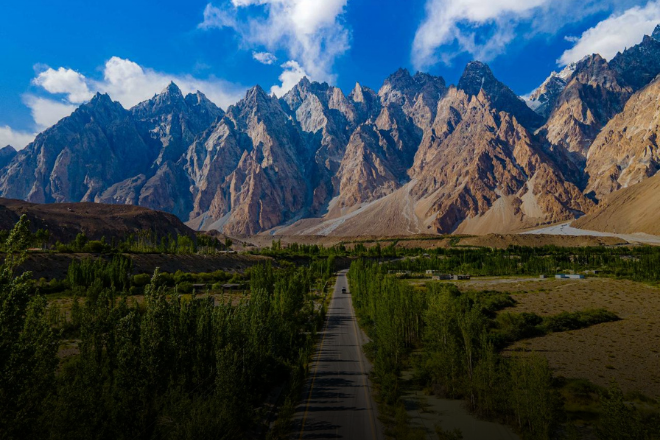
Hunza Valley has a long and layered history shaped by isolation, trade, and strong local governance. For centuries, Hunza existed as an independent princely state, ruled by hereditary leaders known as Mirs of Hunza. Its strategic location along ancient mountain routes made it an important link between Central Asia, China, and the Indian subcontinent.
One of the most well-known cultural narratives associated with Hunza is the belief in long life and physical resilience of its people. While often exaggerated in popular media, this perception grew from Hunza’s traditional diet, active lifestyle, and close-knit community structure rather than myth or miracle. Unlike regions built around conquest, Hunza’s history is largely defined by self-preservation, diplomacy, and adaptation to a harsh mountain environment.
Stone forts, terraced fields, and irrigation channels that still function today reflect centuries of careful planning and communal effort. Hunza’s historical identity is less about monuments and more about how people learned to live sustainably in one of the world’s most demanding landscapes.
Hunza formally became part of Pakistan in 1974, ending its princely-state status. The construction of the Karakoram Highway marked the most significant turning point in Hunza’s modern evolution. What was once reachable only by difficult mountain trails became connected to the rest of the country by road.
Tourism grew gradually, not suddenly. Even today, development in Hunza remains measured. Villages continue to prioritize agriculture, education, and community cleanliness. While tourism provides income, it has not replaced traditional livelihoods. This balance is one of the reasons Hunza still feels authentic rather than commercial.
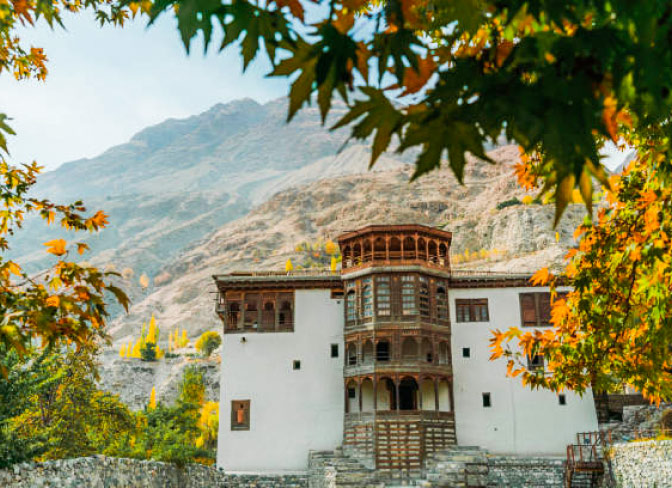
These are among the most visited places to visit in Hunza Valley.
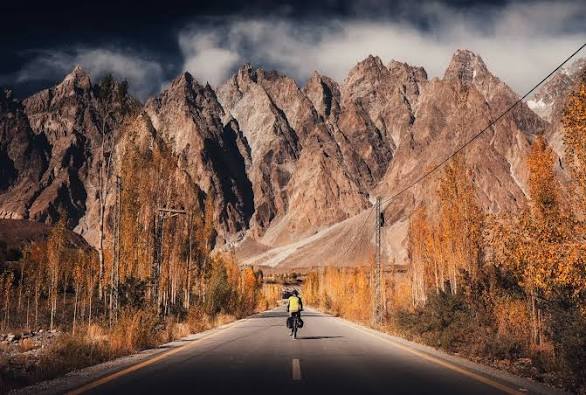
From City | Approx. Distance | Route Overview |
Islamabad | ~600 km | Islamabad → Chilas → Gilgit → Hunza |
Lahore | ~1,050 km | Lahore → Islamabad → Chilas |
Peshawar | ~700 km | Peshawar → Islamabad → Chilas |
Skardu | ~280 km | Skardu → Gilgit → Hunza |
Karachi | ~1,600 km | Fly to Islamabad/Gilgit, then road |
Hunza can be visited year-round, but accessibility depends on road conditions.
Accommodation in Hunza reflects the valley’s personality — simple, scenic, and locally rooted. Most hotels and guesthouses are small to mid-sized and family-run, especially in Karimabad, Aliabad, and Gulmit. Stays are often chosen for views, location, and quiet, rather than luxury facilities.
Many accommodations offer terraces overlooking valleys and peaks, making mornings and evenings part of the experience. During spring blossom season and autumn, demand rises quickly, and advance booking is advised. In colder months, travelers should confirm heating, hot water, and power backup, as infrastructure varies by village.
Hunza is well suited for travelers who value place over polish and prefer meaningful stays over resort-style comfort.
Wide-angle mountain panoramas at sunrise and sunset; village rooftops against snow peaks; autumn colors in Karimabad and Gulmit; reflections at Attabad Lake and Passu; winter snow scenes in Nagar Valley.
Walking through old village lanes in Altit and Karimabad, visiting Baltit Fort and Altit Fort to understand Hunza’s governance history, observing everyday village life rather than staged performances.
Quiet walks along irrigation channels; time spent in apricot orchards during summer; walking and light trekking to viewpoints above villages; glacier views from safe distances; picnic spots near streams and open meadows.
Jeep rides into upper villages and side valleys; horseback riding where locally available; boating at Attabad Lake; skiing on natural winter slopes in Nagar Valley; chairlift and zipline experiences in Nagar Valley during the winter season (availability depends on snow and local operations).
Sitting with locals over tea, watching children play in village squares, camping in designated open areas, and spending unstructured time instead of moving quickly from site to site.
Easy road travel between villages; lakeside stops at Attabad; fort visits without physical strain; chairlift rides in Nagar Valley, relaxed sightseeing, and gentle walks without long daily drives.
Hunza rewards travelers who slow down and observe rather than rush.
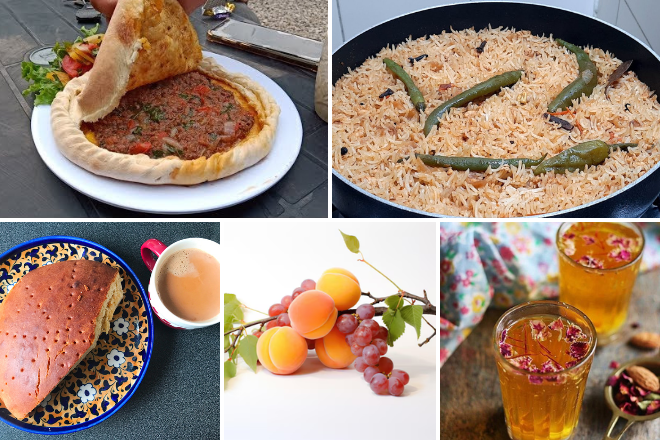
Hunza’s cuisine is closely tied to self-grown food and seasonal preservation. Meals are light, nourishing, and practical, reflecting a diet developed for high-altitude living.
Common local foods include:
Hunza is especially known for its apricots, which are eaten fresh, sun-dried, or pressed into apricot oil for cooking. Other commonly consumed fruits and dry fruits include:
Meals are usually home-style and shared. Food here is not elaborate, but it reflects care, tradition, and everyday life rather than restaurant trends.
Hunza Valley has one of the most distinct cultural identities in northern Pakistan. The valley is primarily home to Burusho and Wakhi communities, each with their own language, traditions, and social structure. Unlike many tourist regions, Hunza’s culture is not performative — it is deeply woven into everyday life.
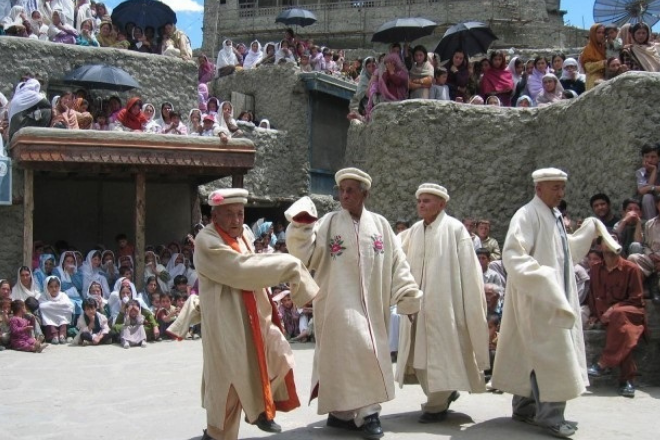
Traditional clothing is still worn regularly, especially in villages:
Hunza observes several well-defined local festivals, most of which are tied to seasons and agriculture:
Cultural expression often appears during festivals and weddings:
Hunza is known for:
Visitors often notice how villages are maintained collectively, reflecting shared responsibility rather than enforcement.
Wildlife exists mainly in remote and high-altitude zones away from villages.
Category | Species | Where Found | Visibility |
Mammals | Ibex | Upper slopes | Rare |
Snow leopard | Remote regions | Very rare | |
Birds | Golden eagle | Mountain ridges | Occasional |
Mountain birds | Valleys | Common |
Category | Types | Where Found | Seasonality |
Trees | Poplar, Willow | Villages | Common |
Plants | Alpine grasses | Upper areas | Summer |
Flowers | Seasonal wildflowers | Meadows | Spring–summer |
Hunza travel is rewarding but requires patience and planning. Road journeys can be long, and weather may affect movement even in summer.
Hunza is best experienced without rushing. Time is part of the journey here.