
Kartarpur Corridor is one of the most significant religious sites in Pakistan, created to allow Sikh pilgrims visa-free access to Gurdwara Darbar Sahib Kartarpur. The corridor connects the Indian border directly to the shrine where Baba Guru Nanak, the founder of Sikhism, spent the final years of his life.
Unlike conventional religious sites, Kartarpur is designed specifically for pilgrims. The experience is structured, regulated, and purpose-driven. Visitors come here to pay respects, walk the same ground as Guru Nanak, and spend time in quiet reflection rather than sightseeing.
The corridor has also become a symbol of cross-border religious access, allowing thousands of Sikh pilgrims from around the world to visit one of their holiest places with dignity and ease.
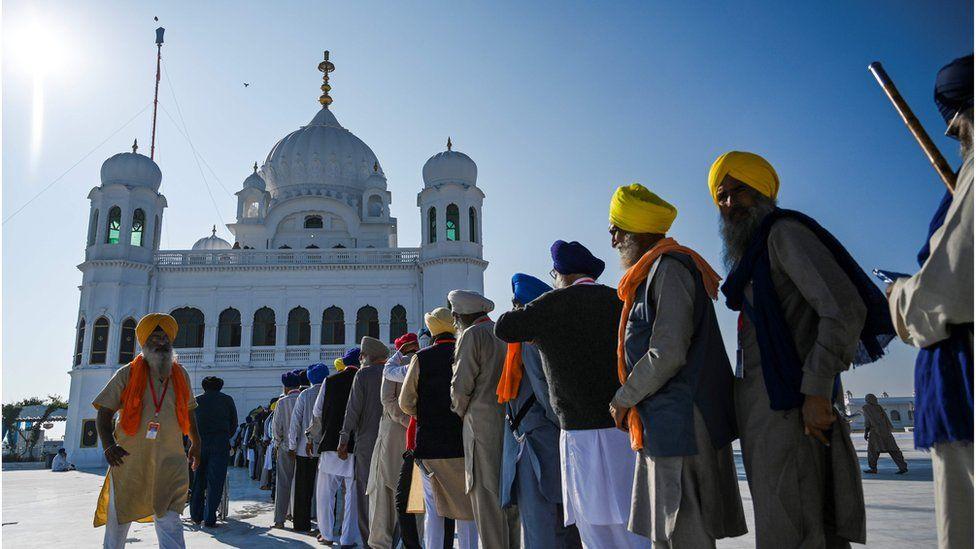
Kartarpur holds exceptional importance in Sikh history. Baba Guru Nanak settled here after his travels and spent approximately 18 years there. It was here that he emphasized the core Sikh principles of equality, honest living, and community service.
The original settlement of Kartarpur became a spiritual center during Guru Nanak’s lifetime. After his passing in 1539, the site remained a place of reverence. Over centuries, the shrine went through periods of neglect, reconstruction, and restoration.
The modern Kartarpur Corridor was inaugurated in 2019, formally opening visa-free access for Sikh pilgrims. This development marked a rare moment of cooperation focused solely on religious freedom and heritage preservation.
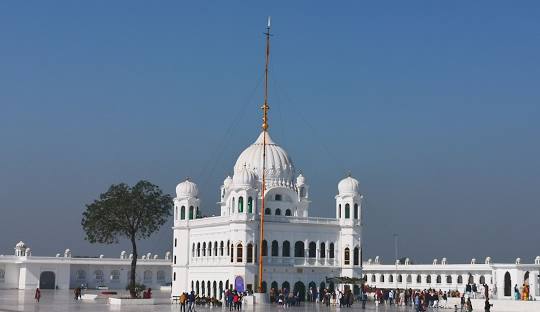
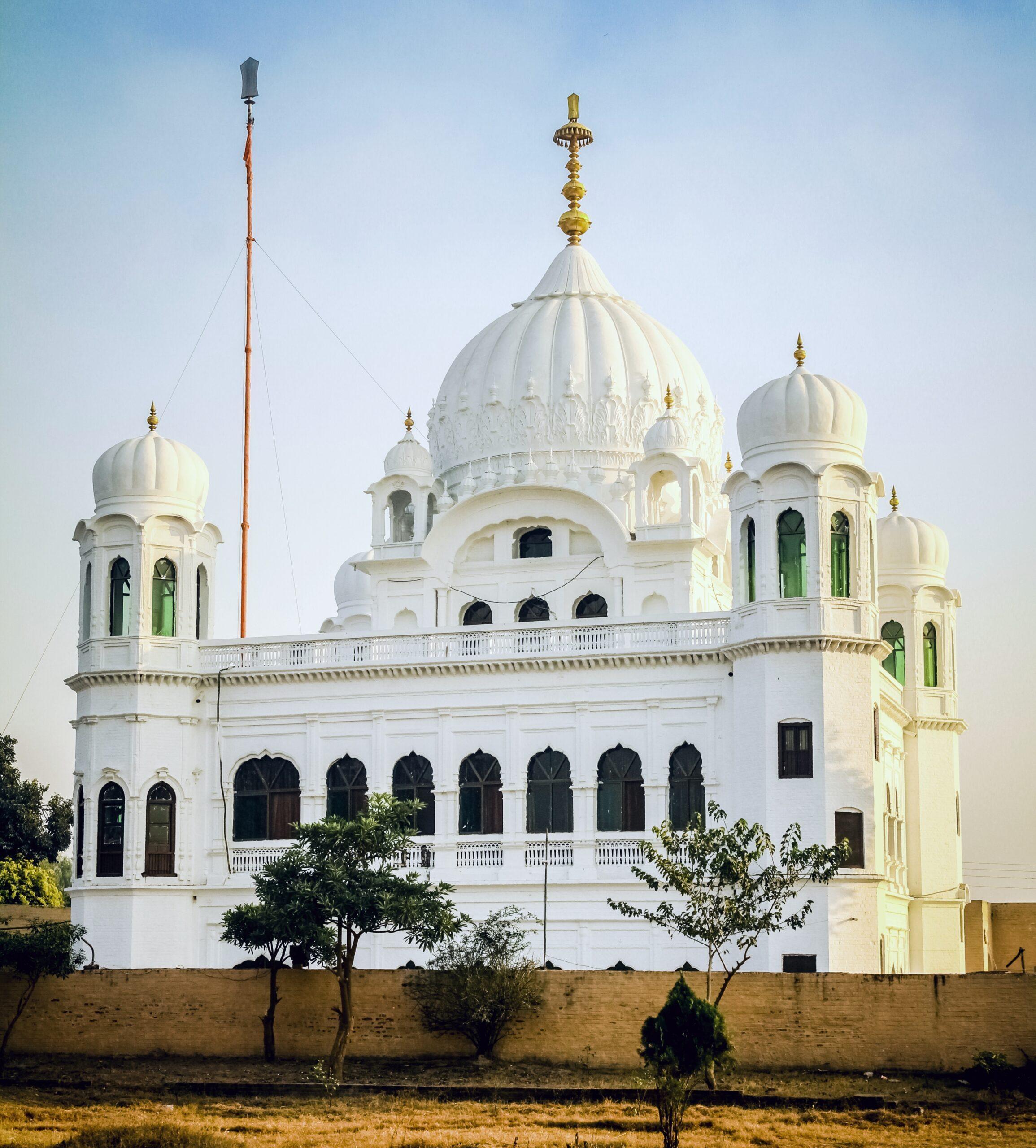
The central structure of the complex, the gurdwara, marks the exact location associated with Guru Nanak’s residence. The interior is calm and orderly, designed to accommodate large numbers while maintaining a respectful environment.
True to Sikh tradition, free community meals are served to visitors. This practice reflects Guru Nanak’s teachings of equality and shared humanity.
Pilgrims arrive through a clearly defined corridor route. The walk itself is part of the experience, marking a transition from everyday movement to spiritual presence.
Exhibits within the complex provide historical background on Sikhism, Guru Nanak’s life, and the significance of Kartarpur.
Access point: Narowal, Punjab
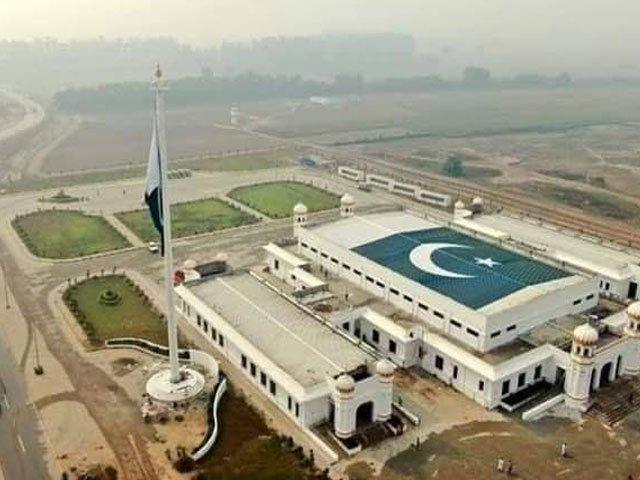
The Kartarpur Corridor is located in the Narowal district, near the Pakistan–India border. The corridor and terminal complex are purpose-built to manage pilgrim access to Gurdwara Darbar Sahib Kartarpur in an orderly and respectful way.
Main access roads are paved and clearly marked. The final approach leads directly to the Kartarpur Corridor terminal.
There is no official Pakistani government website that spells out current charges, and major sources indicate that the fee issue is tied to the agreement frameworks, not to a standard published tourism price list. It has 2 elements to take into notice:
Important:
Best time to visit:
Cooler months are more comfortable for walking and waiting times. Major Sikh religious dates see higher visitor numbers and require early planning.
Kartarpur Corridor goes beyond religious tourism. It represents respect for faith, the preservation of heritage, and peaceful access to sacred spaces. The site is maintained with strict discipline to preserve its spiritual character.
Visitors are expected to treat Kartarpur not as a tourist attraction but as a place of living faith.