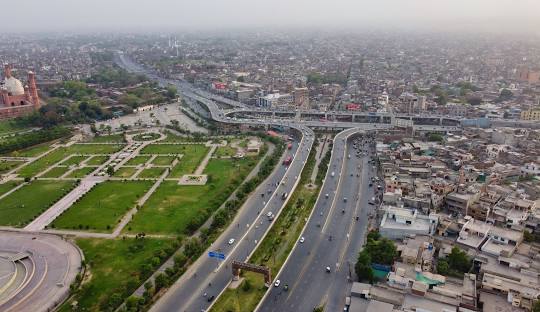
If you want to understand Punjab with your eyes open, start with Lahore Pakistan. It is a city where the past is not locked in museums; it is still part of daily life. You can walk from a Mughal-era gate into a street that smells like kebabs and karhi, and then step out into modern shopping districts without feeling like you changed cities.
Lahore’s identity is built on layers: Mughal monuments, Sikh-era landmarks, colonial streets, and a living culture that shows up in food, language, weddings, poetry, and festivals. It is also one of Pakistan’s strongest “walking cities” when you explore it the right way, especially inside the Walled City of Lahore, where stories sit in brickwork and old doorways.
This Lahore travel guide is written to help you plan properly, not just “list places.”
Key Highlights
- A city built around living heritage, not isolated monuments
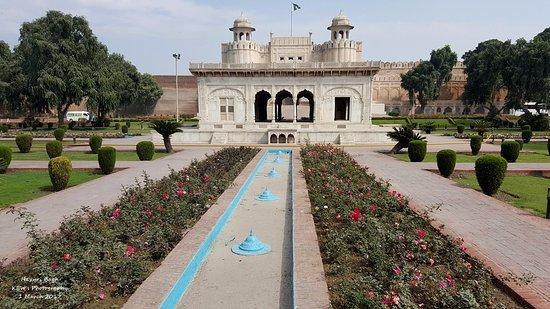
- UNESCO-inscribed Mughal landmarks including the Fort and Shalimar Gardens
- A strong festival calendar, including the return of Basant festival Lahore under regulation in 2026
- Food culture that is not “tourist food”, it is Lahori daily life
- Arts and public culture, including Lahore Literary Festival held at Alhamra Arts Council
Main Attractions and Places to Visit
These are the most meaningful places to visit in Lahore, grouped in a way that helps you plan days.
A) Walled City and Mughal Lahore
- Lahore Fort (Shahi Qila) and its surrounding precincts, a core heritage zone
- Badshahi Mosque, a landmark people recognize even if they have never been to Lahore
- Wazir Khan Mosque, celebrated for its tile work and historic setting
- Shahi Hammam (historic bath), restored and open to visitors, with ticket categories published by Walled City of Lahore Authority
B) Gardens and open spaces
- Shalimar Gardens Lahore, a Mughal garden complex and part of the UNESCO listing
- Historic and urban gardens that give Lahore breathing room, especially in cooler months
C) Museums and learning spaces
- Lahore Museum and other cultural venues (best planned in the daytime, especially in summer heat)
D) Border ceremony as a cultural experience
- Wagah border ceremony (many visitors treat it as a “Lahore” experience because it fits well into a city itinerary)
E) Food streets and old-city evenings
- Food Street Lahore near Fort Road is a known evening experience and is strongly tied to the Walled City tourism zone
How to Reach Lahore
Lahore is one of the easiest cities to access in Punjab by road, rail, and air. For most domestic travelers, road travel is the common choice.
Distance and Travel Time Table (Major Cities)
These are practical road distances and typical driving times shown by travel route planners. Always expect variation due to traffic and city entry time.
From City | Approx. Road Distance to Lahore | Typical Drive Time (no long stops) |
Islamabad | ~291 km | ~3.5 hours |
Faisalabad | ~139 km | ~2 hours |
Multan | ~330 km | ~3.5 hours |
Karachi | ~1188 km | ~16+ hours (or fly) |
Sialkot | ~117 km | ~1.5 hours |
Sheikhupura | ~41 km | ~35 minutes |
Local transport notes
- The Walled City is best explored on foot with comfortable shoes, or short rickshaw hops between gates and monuments.
- If you plan multiple heritage sites in one day, start early to avoid traffic build-up near the old city.
Best Time to Visit Lahore
The best time to visit Lahore is when walking feels easy and evenings are pleasant.
- October to March: Best for heritage walks, food street evenings, and gardens
- April: Warmer days, but still workable if you plan mornings and late afternoons
- May to August: Hot and humid, sightseeing works best in early morning and at night
- Winter fog: Some mornings can be low-visibility, but the city still runs; just plan slower starts
If festivals matter to you, check dates before you book.
Hotels and Accommodation
Lahore has every kind of place, but the key is location.
- If heritage is your priority, stay closer to central Lahore so you can reach the Walled City early.
- If you prefer calm, choose areas that reduce traffic stress, then visit the old city in planned time blocks.
- In peak festival weekends, book earlier than usual.
Things to Do
This section turns the city into an experience, not just a collection of places.
For history lovers
- Do a proper heritage walk inside the Walled City of Lahore, not a rushed drive-by
- Visit Lahore Fort and then cross into Hazuri Bagh and the Badshahi area as one connected story
- Add Shahi Hammam for a different kind of historic space
For photography lovers
- Early morning light around the fort precinct
- Golden hour at old city rooftops
- Garden symmetry at Shalimar Gardens Lahore
For food lovers
- Build a food trail rather than eating random meals
- Try a full Lahori breakfast one day, and a proper evening food street another day
- Keep at least one “sweet shop” stop for jalebi, gulab jamun, or traditional mithai
For families
- Mix a heritage half-day with a lighter park or shopping half-day
- Use your micro pages for family-friendly spots: Jallo Park, Hazuri Park, and Lahore Zoo
For shopping
- Old bazaars for tradition
- Modern markets for convenience
- Crafts, jewelry, khussa, and fabric shopping are part of Lahore’s everyday culture, not a staged experience
Local Cuisine in Lahore
Lahore is not “foodie” in a trendy way. It is food as identity.
Full meals that define Lahore
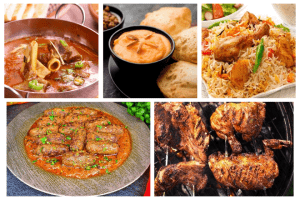
- Nihari for breakfast or brunch
- Paye in winter mornings
- Chicken karahi and mutton karahi as shared family-style meals
- BBQ nights with seekh kebab, tikka, malai boti
- Daal chawal and simple home-style curry meals that many locals still prefer
Street food and snacks
- Samosa, pakora, gol gappay, dahi bhallay
- Chana chaat and fruit chaat in warm months
- Kashmiri chai in winter evenings
Sweets and desserts
Lahore takes sweets seriously. A good city day often ends with:
- Jalebi
- gulab jamun
- barfi and other mithai varieties
Fruits and dry fruits
- Winter brings the kinnow season strongly across Punjab markets
- Summer fruit culture is active, especially during the mango season
- Dry fruits are common in winter, especially almonds, walnuts, pistachios, and raisins
This is why Lahore’s food culture feels personal. It is tied to weather, gatherings, and the city’s rhythm.
Culture and People of Lahore
Lahore is a cultural capital because public life is cultural here.
Language
Punjabi is the heartbeat of daily conversation, and Urdu is widely used across all settings.
Dress and daily style
Traditional shalwar kameez is common, and in wedding seasons, you will see heavy embroidery, bright colors, and formal traditional looks.
Arts, poetry, and public culture
Lahore’s relationship with poetry and public debate is visible in its cultural festivals and institutions. The Lahore Literary Festival is a major example, hosted at Alhamra Arts Council and drawing local and international voices
Festivals you should actually know about
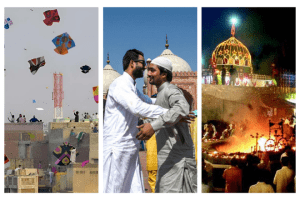
- Basant festival in Lahore, which returned in 2026 under strict regulation after a long ban
- Mela Chiraghan (Festival of Lamps), highlighted by Punjab’s tourism portal as a major cultural event
- National Horse and Cattle Show, promoted through official Punjab government communication channels in recent editions
The important note is this: Lahore’s culture is not limited to “performances.” It shows up in how people host, how they talk, how they eat, and how evenings unfold.
Wildlife and Nature Spots in Lahore
Lahore is a city, so “wildlife” here means urban nature and managed parks. This is still useful for travelers who want a slower day between heritage walks.
Urban birdlife and green pockets
Category | What you may see | Where it fits in a Lahore trip |
Common city birds | Mixed urban birdlife | Morning walks in large parks and gardens |
Seasonal movement | More activity in cooler months | Best explored from October to March |
Quiet green breaks | Shade and open lawns | Use these as recovery time between heritage blocks |
If you want a “nature day” inside Lahore, build it around the parks and garden belt, not as a replacement for heritage, but as a balance.
Travel Tips (What to Pack and How to Plan)
Pack based on the season, because Lahore changes with the weather.
If you are visiting from October to March
- Light jacket for evenings
- Comfortable walking shoes for old-city lanes
- Lip balm and moisturizer (dry winter air)
If you are visiting from April to Aug
- Sunglasses, cap, sunscreen
- Light cotton clothing
- Water bottle, because walking in the heat is tiring
General tips
- Start heritage days early, the old city feels more peaceful before the rush
- Keep cash for small purchases in bazaars
- Respect mosque etiquette, modest dress, and quiet behavior
- If you are visiting during Basant season, follow the official safety rules and avoid unsafe kite strings