
The Indus River Blind Dolphin is one of Pakistan’s most unique and endangered wildlife species. Found only in the Indus River system, this freshwater dolphin is endemic to Pakistan and survives nowhere else in the world.
Unlike animals kept in zoos or aquariums, these dolphins live freely in the river. They are not part of a recreational attraction, and there is no fixed “spot” where visitors go to see them casually. Their presence is tied directly to the health, flow, and continuity of the Indus River itself.
For Guide to Pakistan, this destination represents natural heritage, not leisure travel.
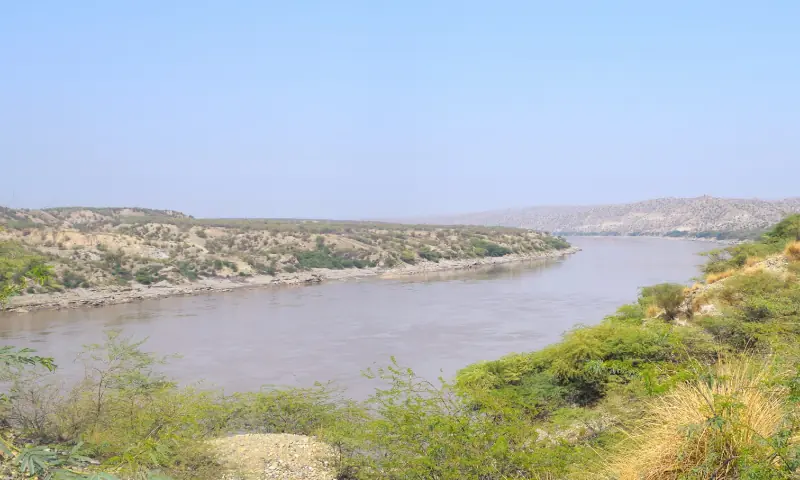
The Indus River is one of Asia’s longest rivers and the ecological backbone of Pakistan. Flowing from the Himalayas to the Arabian Sea, it passes through Punjab and Sindh, supporting agriculture, wildlife, and human settlement.
For blind dolphins, the river is not scenery. It is a shelter, a navigation system, and a food source. The dolphins depend on:
Modern river control structures, such as barrages, have fragmented dolphin habitats, restricting their movement to specific protected sections.
Indus River Blind Dolphins are adapted to murky freshwater conditions. Their eyesight is extremely limited, which is why they rely on echolocation. They emit sound waves and interpret returning echoes to navigate, hunt, and avoid obstacles.
Physically, they have:
These adaptations evolved over thousands of years, shaped entirely by river conditions rather than open seas.
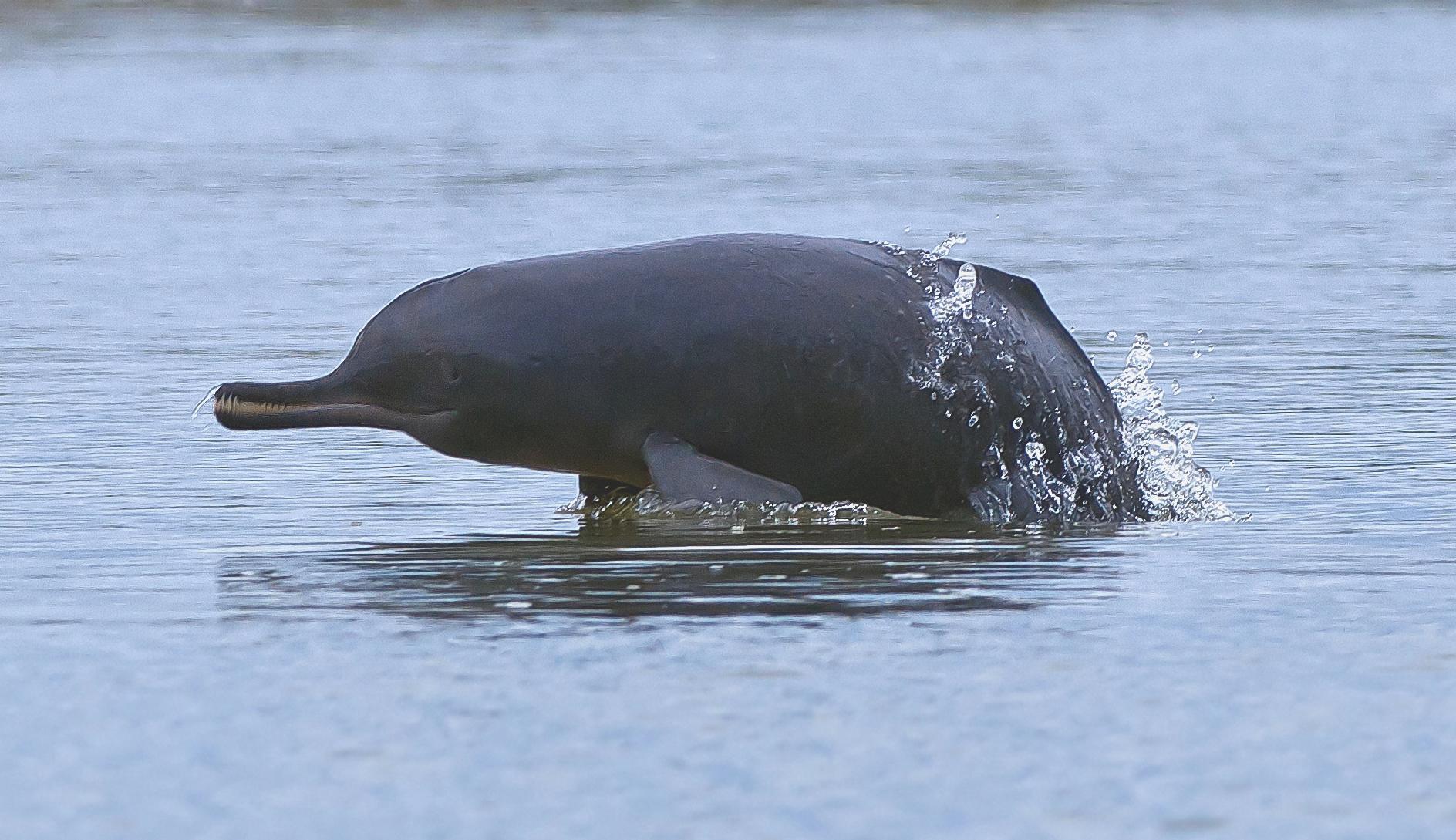
Today, Indus River Blind Dolphins are confined to specific protected stretches of the river, mainly between major barrages. These zones are monitored by wildlife authorities and conservation programs.
This is important to understand:
Any observation is made through research surveys or controlled conservation efforts, not through casual visits.
The Indus River Blind Dolphin is classified as endangered. Major threats include:
Pakistan has designated dolphin reserves and conducts periodic population surveys. Conservation here is about preventing harm, not encouraging mass tourism.

This needs to be stated clearly.
There is no guaranteed or casual way to see these dolphins. Sightings are rare and unpredictable. Any responsible interaction happens only through:
This destination is about understanding, not entertainment.
Indus River Blind Dolphins are a symbol of Pakistan’s environmental responsibility. Their survival reflects the health of the Indus River itself. Protecting them means protecting water systems that millions of people depend on.
Including this destination on Guide to Pakistan is not about selling experiences. It is about telling an important story.