
Larkana is one of those cities that people pass through without realizing what they are passing beside.
It sits in Upper Sindh’s fertile plain, close to canals and old river paths, with a landscape shaped by agriculture and settlement for thousands of years. A short drive from the city is Mohenjo-daro, one of the most important archaeological sites in South Asia and a UNESCO World Heritage site.
Larkana is also a name with memory. Local profiles note an older historical name, Chandkai, tied to earlier identity before modern administration formalized today’s district structure.
This Larkana Pakistan travel guide is written for travelers who want more than a checklist. Larkana is not just a gateway to ruins. It is a living Sindhi city with its own food habits, festivals, poetry culture, and daily rhythm.
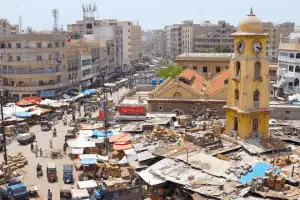
Larkana lies in an irrigated plain often described as exceptionally fertile. Historic descriptions highlight its canal-fed agriculture and fruit production.
This geography explains two things:
Think of Larkana as a hinge in Upper Sindh. It connects river-belt agriculture, old settlement routes, and modern road corridors that link Karachi to northern Sindh towns.
Mohenjo-daro belongs to the Indus Valley Civilization’s urban era. UNESCO describes its planned layout, raised platforms, and structured city design as evidence of early town planning.
The point for a visitor is simple: when you stand near Larkana, you are standing near one of humanity’s earliest urban experiments.
Modern district profiles note Larkana’s older historical name as Chandkai.
This matters because it signals that the region’s identity has shifted over time, shaped by administration, canals, politics, and trade.
Larkana’s modern importance grew as administration and irrigation expanded across Sindh. The canal landscape shaped settlement concentration and market activity in towns like Larkana.
Today, Larkana is widely known for two large associations: Indus civilization heritage and modern political history. Both are real, but the city is larger than both.
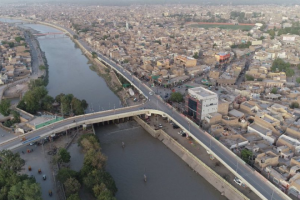
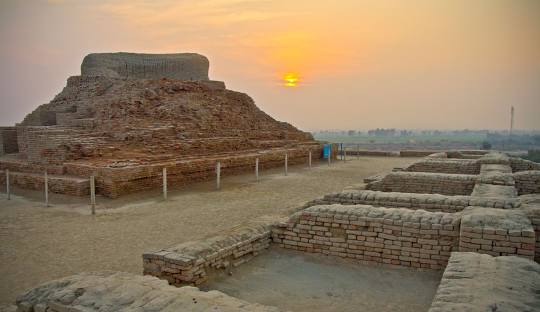
Mohenjo-daro is located in the Indus valley and is recognized by UNESCO for its urban planning and archaeological value.
A practical travel detail many visitors miss: Mohenjo-daro is close enough to Larkana to be done as a day visit. Many references place it roughly under 30 km from Larkana.
Natural internal link: For planning, tickets, timing, and what to look for on-site, link Mohenjo-daro near Larkana to the micro-destination blog.
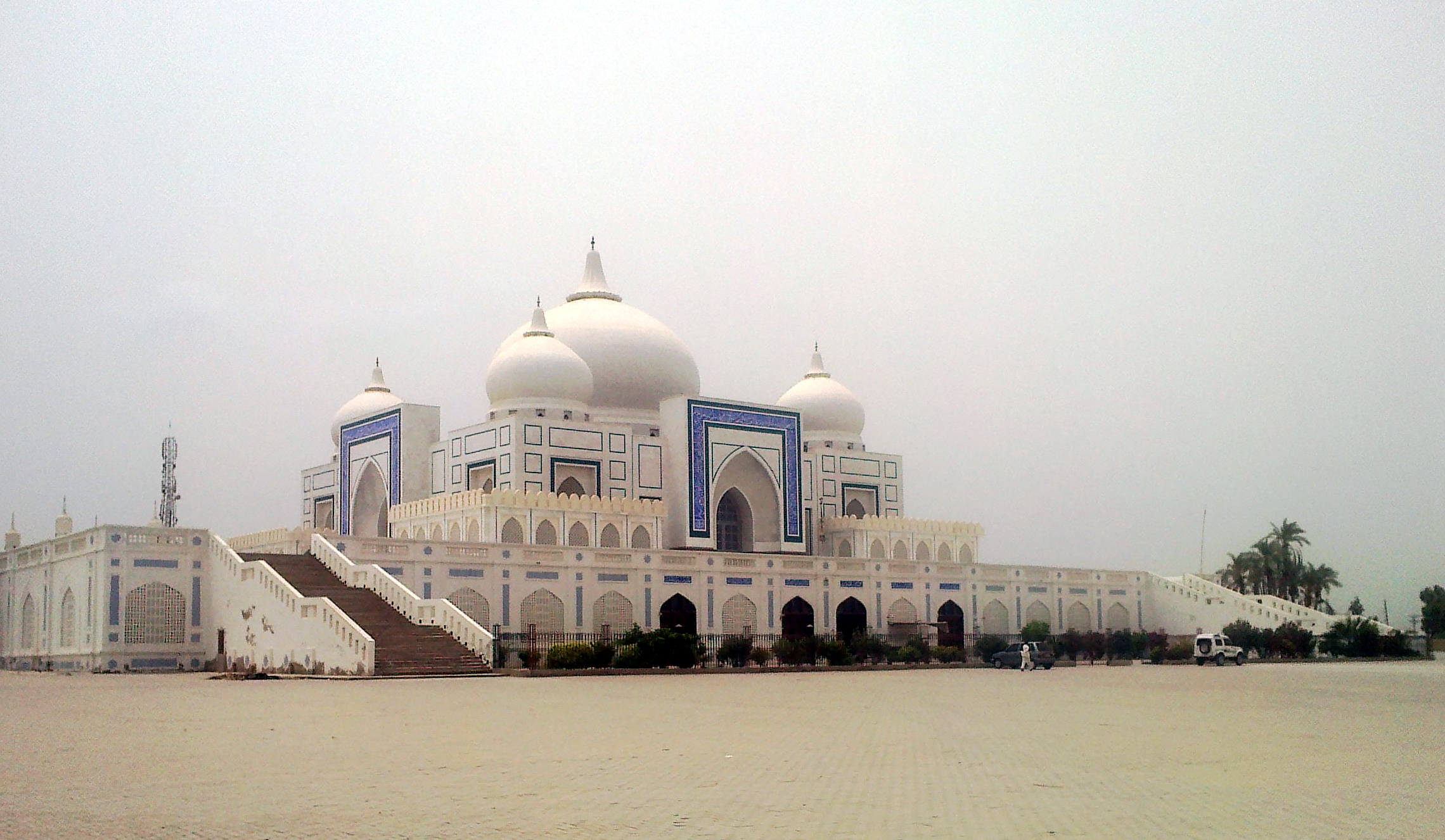
Near Larkana, Garhi Khuda Bakhsh is known for the Bhutto family mausoleum. It is a major political-history site and draws visitors especially on anniversaries and public remembrance days.
This is not a casual sightseeing stop. It is a place where politics, grief, and legacy intersect.
If you want things to do in Larkana that feel real, give time to the markets. Larkana is not a polished heritage city. Its charm is in lived commerce: tea stalls, cloth shops, everyday bargaining, and the steady movement of motorcycles and rickshaws.
A simple way to explore:
Gorakh Hill is often treated as a separate micro-destination, but Larkana is one of the practical bases people use to plan it through the Dadu belt.
Natural internal link: Mention Gorakh Hill from Larkana as a day-trip option and link it to the micro-destination blog.
Below is a practical distance table for common routes. Road conditions and traffic affect time, especially when passing through city edges.
Distance and Travel Time Table (Driving)
From City | Approx. Distance | Common Route | Approx. Travel Time |
Karachi | ~437 km | Via national highway corridor through Hyderabad and Sukkur | ~6 hours |
Hyderabad | ~314 km | Via Sukkur-bound highway corridor | ~5 hours (traffic dependent) |
Sukkur | ~85.5 km | Direct road link between Sukkur and Larkana | ~1 hr 15 min |
Mohenjo-daro site | ~28 km | Short local drive from Larkana toward the site | ~35–50 min |
Gorakh Hill Station | ~150 km (approx.) | Via Dadu-side access route then hill road | 2.5–4.5 hrs (road dependent) |
Publisher note for internal linking: In Section 4, link Mohenjo-daro near Larkana and Gorakh Hill from Larkana to their respective micro-destination blogs.
The best time to visit Larkana is generally from October to March when days are cooler and outdoor exploration is comfortable.
Summer in Upper Sindh can be intense. Historic regional descriptions note severe heat in the wider northern Sindh belt, which is consistent with what travelers experience on the ground.
If you are visiting in warmer months:
Larkana’s food tastes like Upper Sindh.
It is filling, wheat-and-rice grounded, and shaped by both Sindhi rural kitchens and the city’s market life. You will notice a practical food culture: meals built for long days, not for show.
What to try in local routine:
Breakfast habits
Everyday Sindhi staples you will hear about
Street and market eating
Larkana’s surrounding plain is known for fruit production, including guavas, mangoes, and dates.
That shows up in daily life as:
A traveler tip that feels small but matters: if you want the most local eating experience, follow the evening crowd. When the market fills, the food becomes fresher and the city feels more itself.
Larkana’s culture sits at the meeting point of village Sindh and urban Upper Sindh. You feel it in language, music, clothing, and how gatherings work.
Sindhi is central in daily life, with Urdu used widely in mixed settings. The way people speak here carries rural cadence even inside the city.
In Upper Sindh, traditional clothing remains visible in daily life, not just festivals:
Folk music in Sindh is not background sound. It is a memory system. You will hear references to:
If you attend a wedding season event in this region, you may see Ho Jamalo performed as a celebratory folk form. Academic writing describes it as a Sindhi folk expression associated with happiness and celebration.
Larkana has hosted cultural programming such as Lahooti Melo editions and cultural nights, reflecting a modern revival of folk and contemporary art spaces.
Larkana hospitality is direct. People will guide you without formalities. Conversations often start with “Where are you from?” and quickly move into history, politics, and local pride. It is a city where identity is spoken, not performed.
Larkana is best experienced through history, markets, and the surrounding landscape rather than fast sightseeing.
Spend a proper morning at Mohenjo-daro near Larkana. Walk the street grid slowly instead of rushing between structures. Visit the site museum afterward to connect artifacts with the ruins.
If interested in modern political history, include Garhi Khuda Bakhsh as part of the same day.
Photograph Mohenjo-daro early in the morning for better brick texture and softer light.
Capture canal bridges and agricultural fields around Larkana to reflect Upper Sindh’s rural landscape.
If heading toward Gorakh Hill from Larkana, document the transition from flat plains to rising terrain.
Try a simple Sindhi meal in a local eatery rather than searching for upscale restaurants.
Spend an evening at a tea stall in the central bazaar. Seasonal fruits like mangoes and guavas from surrounding farms are part of local daily life.
Walk through Larkana’s central markets in the evening. Look for ajrak textiles, everyday Sindhi dress, and small generational shops.
Observe daily life rather than treating it as staged tourism.
In winter, plan a visit to nearby wetland areas such as Lungh Lake for seasonal migratory birds.
Keep expectations realistic. Birdwatching here is seasonal and subtle.
Combine Larkana with:
Plan early departures to avoid heat, especially during the summer months.
Larkana is not a forest destination, but its district includes wetlands and agricultural habitats that become important for birdlife in winter.
A lesser-known place that adds ecological depth is Lungh (Langh) Lake in Larkana district, described as a stop for migratory waterfowl during the winter months.
Wildlife and birdlife table
Species / Group | Where you may see it | Season | Notes |
Migratory waterfowl | Lungh (Langh) Lake and wetland zones | Winter | Known for seasonal arrivals of migratory birds |
Egrets, herons, common wetland birds | Canals and agricultural edges | Year-round | Often visible near water and fields |
Small raptors and kites | Open fields and road corridors | Year-round | Seen soaring above agricultural belts |
Freshwater fish species | Canal-fed water systems | Year-round | Linked to irrigation and local fishing economy |
If you want birdwatching, plan it as a winter add-on, not as the core reason to visit.
Larkana is one of Sindh’s most important storytelling cities.
It holds a rare combination:
If you treat it as only a stopping point, you will miss what makes it valuable.
If you move through it slowly, you will see the real shape of Upper Sindh: memory, soil, markets, and people who speak with certainty about where they come from.