
The Thar Desert is not empty land. It is inhabited, sung about, and deeply cultural.
Stretching across southeastern Sindh into Rajasthan, the desert supports villages, livestock routes, temples, and seasonal rhythms. Unlike many deserts, Thar is densely populated in parts.
This Thar Desert Pakistan travel guide focuses on living desert life rather than only sand dunes.
The Thar Desert, locally called Tharparkar, lies in southeastern Sindh near the Indian border. The terrain consists of rolling sand dunes, sparse vegetation, and scattered settlements.
Rainfall is low and irregular. When monsoon rains arrive, parts of the desert briefly turn green.
The district center of Mithi functions as a cultural and administrative hub within Thar.
Thar has long been home to both Muslim and Hindu communities. Religious coexistence remains visible in temples, mosques, and shared festivals.
Umerkot, located within the desert belt, holds historical importance as the birthplace of Mughal Emperor Akbar. The nearby Umerkot Fort reflects regional political history.
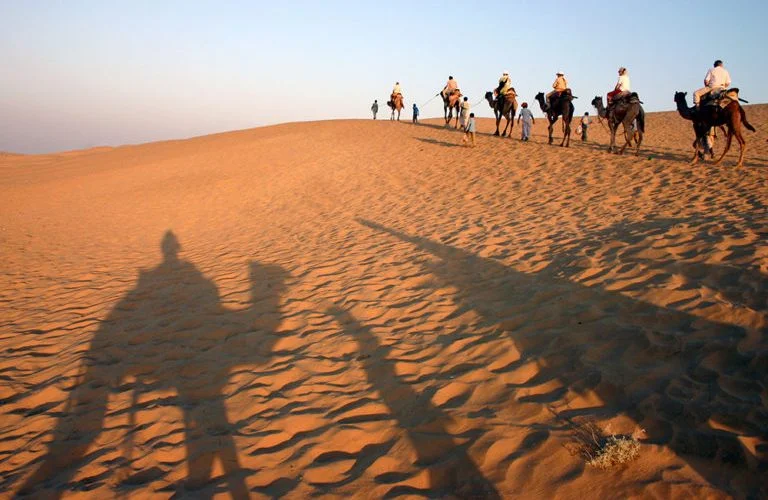
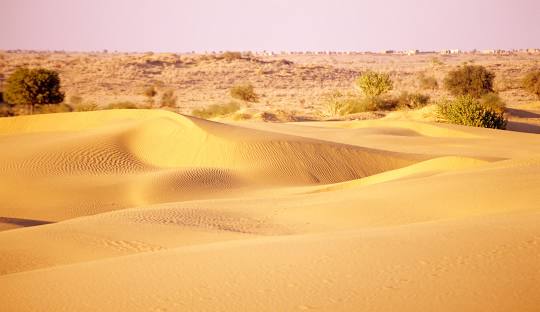
The dunes around Mithi and Islamkot offer classic desert scenery. Sunrise and sunset create the strongest visual impact.
Wind patterns reshape dune edges daily, making each visit slightly different.
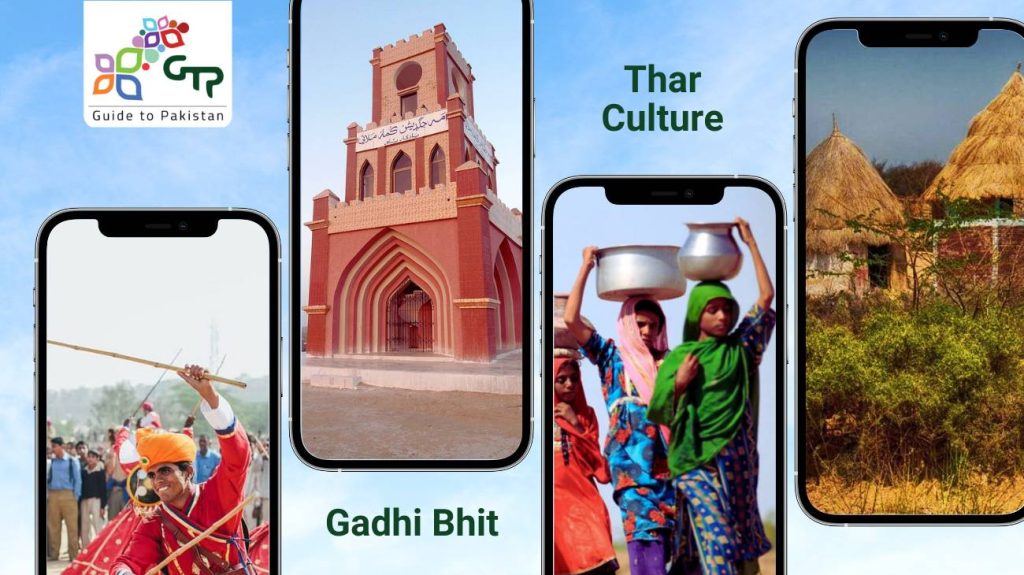
Thar villages are built with mud houses decorated in bright colors. Women often wear vibrant embroidered dresses and silver jewelry.
Life revolves around livestock, wells, and seasonal movement.
Visitors should approach respectfully and avoid intrusive photography.
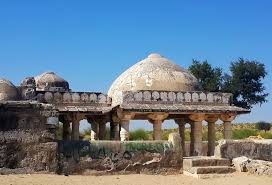
The desert contains several significant Hindu temples, including Nagarparkar’s historic temple complexes built with sandstone.
These temples reflect centuries of devotion and desert architecture adaptation.
The rocky Karoonjhar Hills near Nagarparkar contrast sharply with sand dunes. The granite formations create dramatic landscapes.
This area offers geological diversity within the desert.
Distance and Travel Time Table (Driving)
From City | Approx. Distance | Route | Approx. Travel Time |
Karachi | ~400 km | N-5 via Hyderabad, then the regional highway | 7–8 hrs |
Hyderabad | ~300 km | Via Mirpurkhas corridor | 5–6 hrs |
Umerkot | ~90 km | Regional road | 2 hrs |
Road quality varies in interior stretches. Plan fuel and supplies accordingly.
The best time to visit Thar Desert is from November to February.
Summer temperatures can exceed 45°C. Heat exposure is serious, and prolonged outdoor activity is not recommended during peak summer.
After monsoon rains, parts of Thar briefly turn green, offering a different landscape experience.
Thar cuisine reflects scarcity management and seasonal adaptation.
Meals are simple, grain-based, and often vegetarian due to community composition.
Common elements include:
Livestock products such as milk and ghee are important in rural households.
Dates and seasonal desert produce appear in local markets.
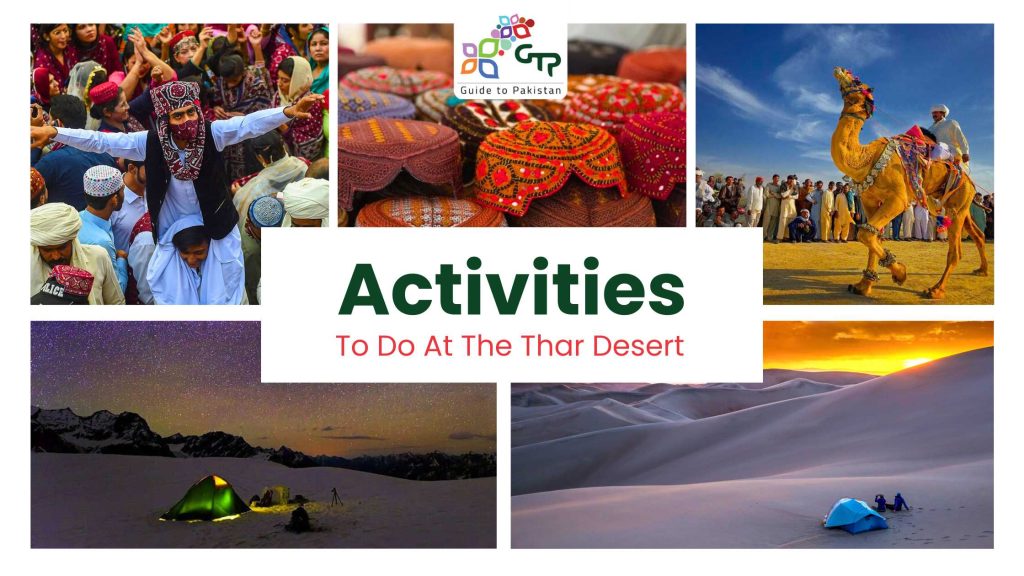
Thar’s culture is one of Pakistan’s most visually distinct.
Women wear bright red, yellow, and orange embroidered garments. Jewelry is often silver and handcrafted.
Music and oral tradition are strong. Folk songs describe migration, rain, love, and hardship.
Major cultural expressions include:
Religious coexistence remains visible. Hindu festivals such as Diwali are openly celebrated in many towns.
Thar’s culture is resilient and deeply rooted.
Thar supports adapted desert species.
Wildlife and Ecology Table
Species | Habitat | Season | Notes |
Chinkara (Indian gazelle) | Open desert plains | Year-round | Shy and fast-moving |
Desert fox | Sandy terrain | Mostly nocturnal | Rare daytime sightings |
Peafowl | Village edges | Year-round | Common in some areas |
Reptiles | Dune systems | Summer | Heat-adapted species |
Vegetation includes thorny shrubs and drought-resistant plants.
Wildlife observation requires patience and local guidance.
This section turns Thar into a lived experience, not just a desert drive.
Capture dunes at sunrise or sunset for depth and shadow.
Visit Karoonjhar Hills for rocky contrast against sand terrain.
Walk through villages respectfully and observe daily desert routines.
Attend local festivals if your travel dates align with community celebrations.
Visit Umerkot Fort and temple complexes in Nagarparkar.
Understand how political and religious history intersect in the desert.
Look for chinkara in open plains.
Observe peafowl near village edges during cooler hours.
Drive between Mithi, Islamkot, and Nagarparkar at an unhurried pace.
Stop frequently to absorb landscape shifts.
Thar is not defined by emptiness.
It is defined by endurance, color, and community.
If you are searching for meaningful places to visit in Thar Desert, focus on people as much as landscapes.