
Hyderabad was not an accident. It was a decision.
Founded in 1768 by Mian Ghulam Shah Kalhoro, the city was established on the limestone ridge of Ganjo Takar after flooding repeatedly damaged the earlier capital at Khudabad. The ridge provided elevation, defense, and control over trade routes moving through lower Sindh.
Before Hyderabad, this region was associated with an older settlement known as Neroon Kot. Over time, the Kalhora capital replaced earlier identities and Hyderabad became the political center of Sindh.
Today, this Hyderabad Pakistan travel guide asks you to see the city not as a stop between Karachi and interior Sindh, but as a historical capital, craft center, and cultural anchor.
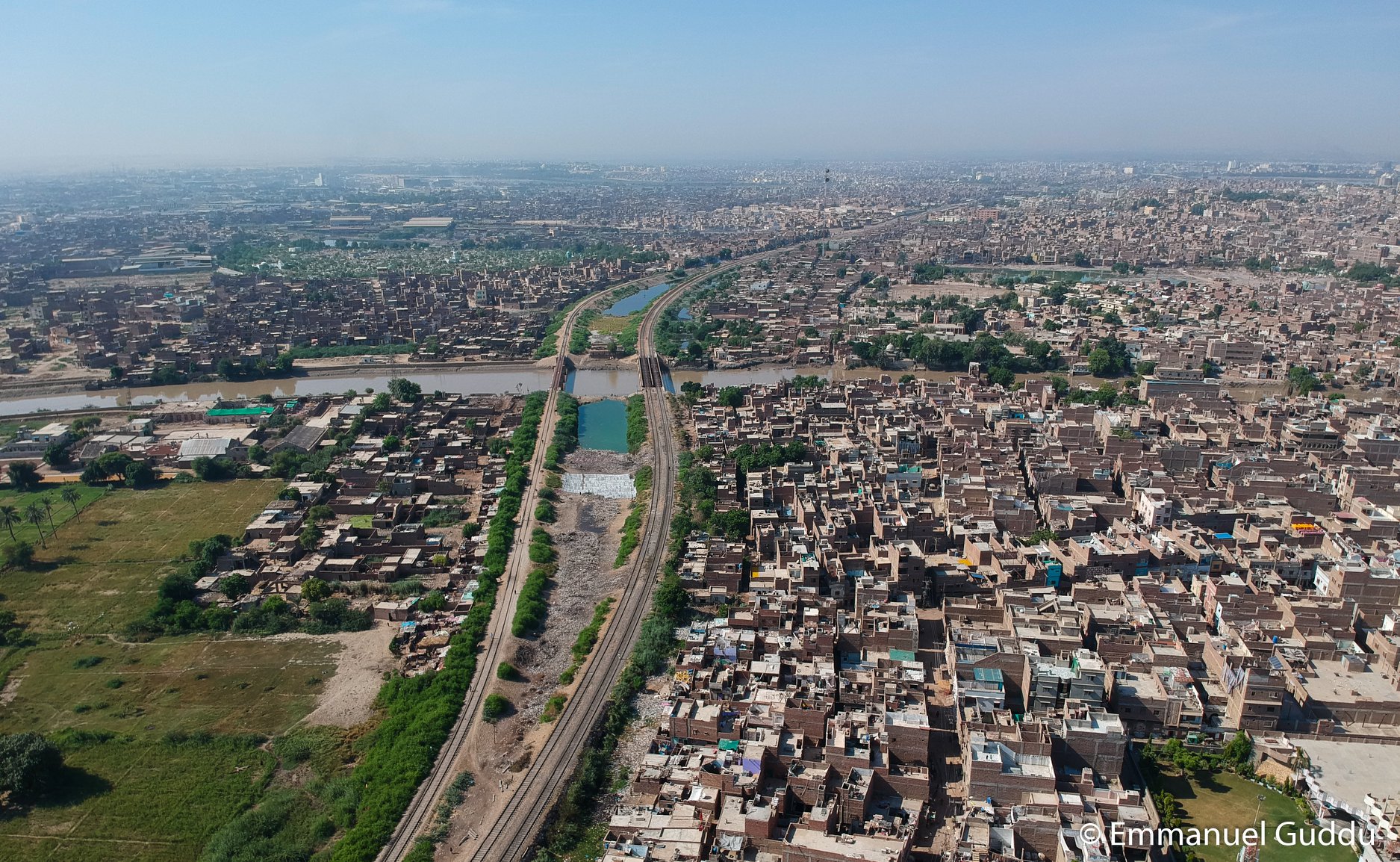
Hyderabad sits approximately 162 km northeast of Karachi via the M-9 Motorway. It lies close to the Indus River system and near Kotri and Jamshoro, forming part of an important agricultural and irrigation belt.
Its placement allowed:
The Kotri Barrage, located near Hyderabad, regulates water distribution into Sindh’s irrigation canals and plays a major role in regional agriculture.
In modern terms, it means Hyderabad works as a hinge city. Karachi’s port economy pulls south. Upper Sindh’s river towns pull north. Hyderabad sits between them, absorbing both influences.
The Karachi–Hyderabad motorway (M-9) physically shows this relationship. It connects the two cities in a fast, direct way and is a major artery for trade and movement.
Hyderabad also sits close to Jamshoro and Kotri, which matters because the Indus here is managed through major water-control infrastructure. The Kotri Barrage (Ghulam Muhammad Barrage) was opened in 1955 near Hyderabad, shaping irrigation, flood control, and canal systems in this belt.
Hyderabad remained politically significant and continued to grow around its fortified core.
After the British annexation of Sindh in 1843, Hyderabad transitioned from capital to administrative city. Trade remained strong. Cantonment planning influenced urban structure in specific zones.
The city’s layered architecture reflects these shifts.
Before Hyderabad, there was an older settlement on this ground that is often referred to as Neroon Kot (also written Nerun Kot). Various local histories describe Hyderabad being founded on or near the ruins of that earlier settlement.
The key point is not just the name. The key point is the reason. Flooding and the Indus shifting course made the previous capital difficult to sustain. The Kalhora decision was strategic: pick higher ground, build a fort, pull trade into the new city, and make it defensible.
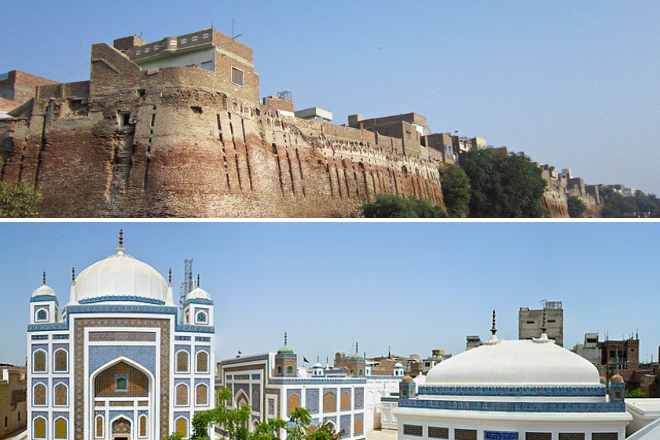
That is why Hyderabad has a fort-first personality. The fort is not a decorative monument here. It is part of the city’s original design.
The founding structure of the city. Built from stone and lime mortar, the fort anchors the old city. It offers context, not just architecture.
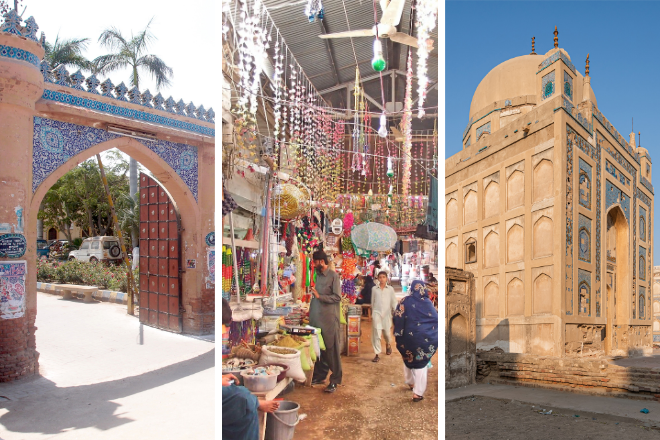
The heart of trade. Dense lanes filled with:
Hyderabad is widely known for its traditional bangles, especially lacquer work that is hand-crafted and polished using heat and color layering techniques.
One of the most important cultural museums in the province. Exhibits include:
Originally a botanical garden, now a large public recreational space. Families gather here in evenings, especially in winter.
Hyderabad is an excellent base for nearby exploration.
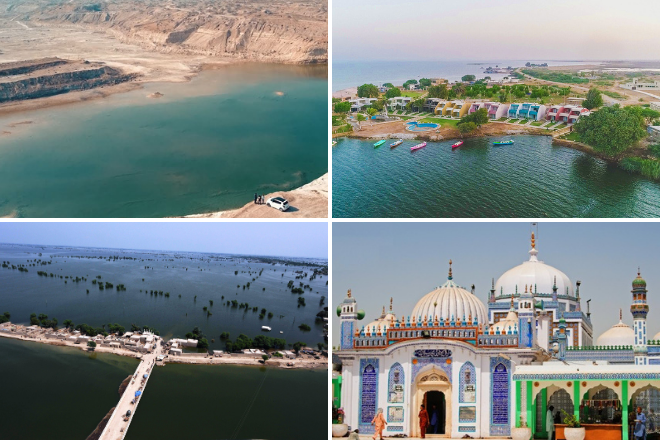
Just outside the city, Keenjhar Lake offers a freshwater expanse and migratory bird activity, making it one of the most accessible lake escapes in Sindh.
Closer to the wetland belt, Haleji Lake provides birdwatching opportunities and seasonal migratory species sightings.
History enthusiasts can drive toward Ranikot Fort, often described as one of the largest fort structures in the world by perimeter.
For spiritual exploration, Bhit Shah, the town associated with Shah Abdul Latif Bhittai, reflects Sindh’s Sufi identity.
These natural mentions allow direct internal linking within the website.
From City | Distance | Route | Approx. Travel Time | Road Type |
Karachi | 162 km | M-9 Motorway | 1 hr 45 min | Motorway |
Thatta | 100 km | N-5 / Regional Highway | 1 hr 40 min | Highway |
Sukkur | 296 km | N-5 National Highway | 4–5 hrs | Highway |
Larkana | 290 km | N-5 via Moro | 4–5 hrs | Highway |
Umerkot | 144 km | Regional Route via Mirpurkhas | 2–2.5 hrs | Highway |
Travel time varies depending on traffic and starting point.
The Karachi to Hyderabad distance makes it a practical day trip or weekend extension.
The best time to visit Hyderabad Pakistan is from October to March.
Summer temperatures in interior Sindh can exceed comfortable walking conditions, particularly during midday.
Hyderabad’s food culture is deeply Sindhi. Hyderabad’s food culture is not loud in the way Lahore markets itself, but locals will tell you something simple: Hyderabad eats seriously.
Start with breakfast habits. In many Sindhi homes and old neighborhoods, breakfast is not just tea and bread. You will find people who prefer heavier, traditional starts such as dal-based dishes, flatbreads, and simple savory comfort food.
These dishes are common in households and local eateries.
If you want Hyderabad Pakistan food that feels local, do not only look for restaurant dining. Hyderabad’s older market zones reward slow walking: snack stalls, tea corners, and small spots locals revisit for years.
Older market areas offer:
Tea culture is strong. Conversations stretch over doodh patti.
And then there is bakery culture. In Hyderabad, bakeries are not treated as “dessert places only.” They are part of the city’s everyday life. Hyderabad bakeries are deeply integrated into daily life. Families often stop for biscuits, rusks, cakes, and tea-time items as routine purchases.
A real point to handle carefully is biryani. Hyderabad in Sindh has its own biryani identity, and locals will defend it. But people on the internet often confuse it with Indian Hyderabad. In Sindh, when someone praises Hyderabad’s biryani, they are usually speaking about local spice balance, rice texture, and meat style that reflects Sindhi taste, not the Indian city’s cuisine label.
When exploring Hyderabad Pakistan food, focus on small local establishments rather than chain restaurants.
Hyderabad reflects layered Sindhi identity.
Ajrak printing is a centuries-old block-printing technique using natural dyes. Rilli patchwork reflects rural Sindhi craft tradition.
The city balances traditional identity with modern urban growth.
Hyderabad’s old bazaars are not only about shopping. They are about generational trade. Families often pass down shop locations, supplier relationships, and even specific product niches. That is why the market feels dense and confident.
The bangle and jewelry lanes are part of this identity. Many visitors associate Hyderabad with bangles and bazaar jewelry, and the market’s reputation is reinforced by how often travelers are told, “If you want bangles, Hyderabad is the place.”
Hyderabad moves differently than Karachi. Karachi moves like a port city, fast and outward. Hyderabad moves inward, through lanes and familiar routes. Even when the city is busy, it feels neighborhood-driven. You do not just “go to a mall.” You go to a specific lane, a specific shop, a specific tea corner.
This section turns Hyderabad into an experience, not just a list of forts and bazaars.
Do not treat Pakka Fort as a quick photo stop.
Start at the fort and then move directly into the old city lanes so you understand how the city was designed around defense and trade. The fort, bazaar, and residential clusters form one connected historical story.
Add a visit to Sindh Museum after your old-city walk. It helps you understand rural Sindh’s lifestyle, crafts, and dress traditions that shaped Hyderabad’s markets.
If you have extra time, extend your history day outward toward Ranikot Fort. Seeing Hyderabad’s fort first makes Ranikot’s scale even more meaningful.
Early morning light works best inside Shahi Bazaar before crowds thicken.
Capture the textured stone walls of Pakka Fort in angled sunlight.
In winter evenings, Rani Bagh offers softer natural tones and everyday city life frames.
If you step toward Kotri Barrage at sunset, the Indus belt gives you wide river horizon shots that contrast with dense market lanes.
Do not rush meals here.
Dedicate one morning to a traditional Sindhi breakfast in the old city rather than eating at a hotel.
Spend one evening walking through market areas and stop at tea stalls instead of formal restaurants. Hyderabad’s food culture feels more authentic in small, local setups.
If you are staying longer, compare bakery culture in different neighborhoods. Hyderabad bakeries are part of daily life, not just dessert stops.
And if you plan a lake visit to Keenjhar Lake, combine it with a simple roadside meal rather than returning immediately to the city.
Mix heritage with open space.
Do Pakka Fort and Shahi Bazaar in the first half of the day, then shift to Rani Bagh for a slower family-friendly afternoon.
Plan lake visits like Haleji Lake or Keenjhar Lake as half-day excursions so children are not overwhelmed by long exposure to heat.
Hyderabad works best for families when you alternate dense heritage with open environments.
Spend time in Resham Gali and connected lanes looking specifically for:
Do not treat these as souvenirs. Talk to shopkeepers. Many businesses are generational.
If you want deeper Sufi context, plan a short trip to Bhit Shah, where devotional poetry and music define the spiritual rhythm of the region.
Hyderabad reveals itself when you stop moving.
Sit at a tea stall.
Watch how shopkeepers greet regular customers by name.
Notice how the old city still operates around narrow lanes instead of wide boulevards.
Hyderabad is not dramatic. It is layered.
Hyderabad itself is an urban environment, so wildlife is not the core attraction. But the Hyderabad region sits close to wetland and river-belt habitats that shape what you can see on short trips.
Species | Habitat | Likelihood of Sighting | Notes |
Migratory waterfowl | Keenjhar & Haleji Lakes | Seasonal | Winter months |
Egrets & herons | Wetlands | Common | Year-round |
Freshwater fish species | Indus River belt | Common | Local fishing economy |
Reptile species | Canal & river edges | Occasional | Natural habitat zones |
Wetland systems near Hyderabad form part of Sindh’s ecological network.
Use Hyderabad as a base, but plan day trips with realistic timing so you are not driving after dark unnecessarily
Hyderabad is not just a city that exists between Karachi and upper Sindh. It is a city built out of necessity, shaped by the Indus, and held together by trade and craft.
It came into being as a planned capital on higher ground, and you can still feel that original decision in how the old city is organized around fort, bazaar, and movement.
If you want places to visit in Hyderabad Pakistan, do not treat them as isolated spots. Walk them as a story: fort to bazaar, museum to park, river belt to day trips. Hyderabad becomes clearer when you move through it slowly.
It is not coastal chaos. It is not desert isolation. It is the hinge.
It was built intentionally as a capital on higher ground. It absorbed trade routes. It preserved craft. It protected irrigation systems. It became the cultural midpoint of lower Sindh.
That is how the city reveals itself.